how to not fall down the trap of constant consumerism with the latest fashion trends

After scrolling on Tiktok and finding myself on Zara, it became tempting to buy everything that looked “cool” and “effortless.” Boho and flowy silhouettes, sheer fabric, and the constant persistance of thinness, it felt like I could look like those models. But I really didn’t need to spend money, I had a closet full of clothes and no where to wear these tops to. I stopped and forced myself to think, do these clothes even fit with my personal style? Its hard to define what you wear. Sometimes its out of necessity, practically or economically. As I grow and get older, my style wants to change and grow with me. Thats why I feel I’m their target audience – in a vulnerable state of transition, my mind wants to latch onto what I’m fed, not what makes me feel good. I wanted to share a few strategies before swiping the credit card to help figure out is this actually me?
MOOD BOARDS
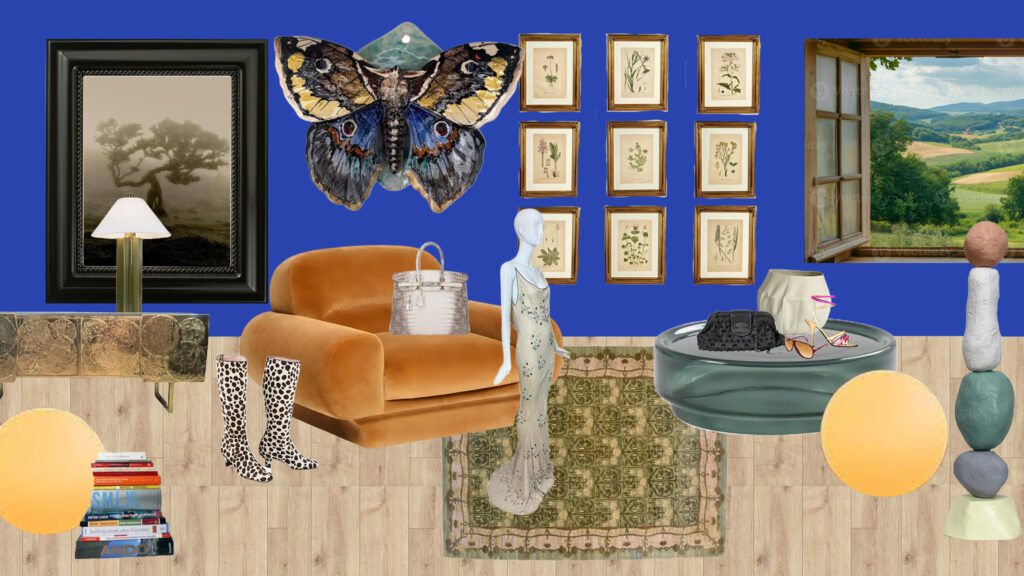
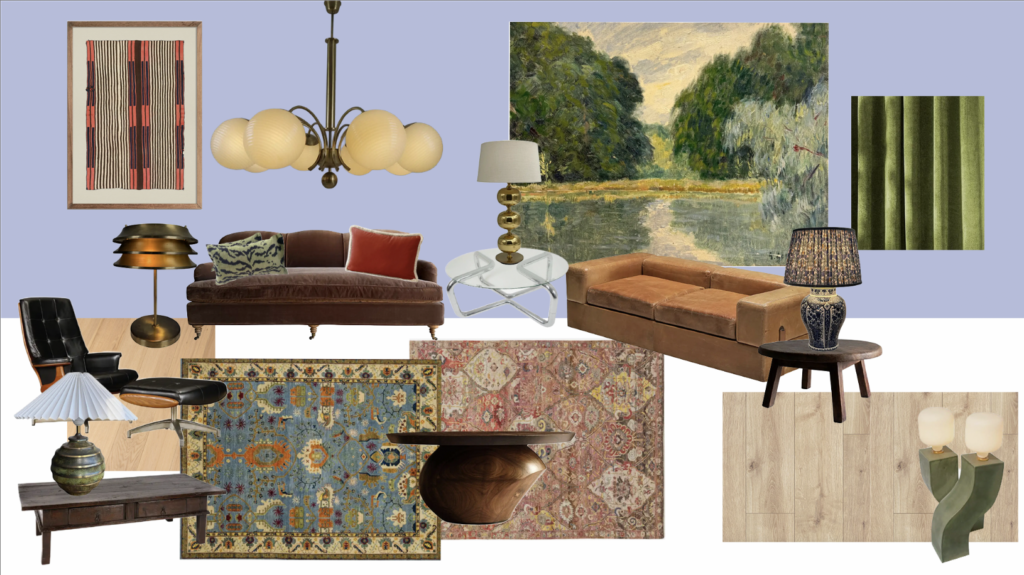
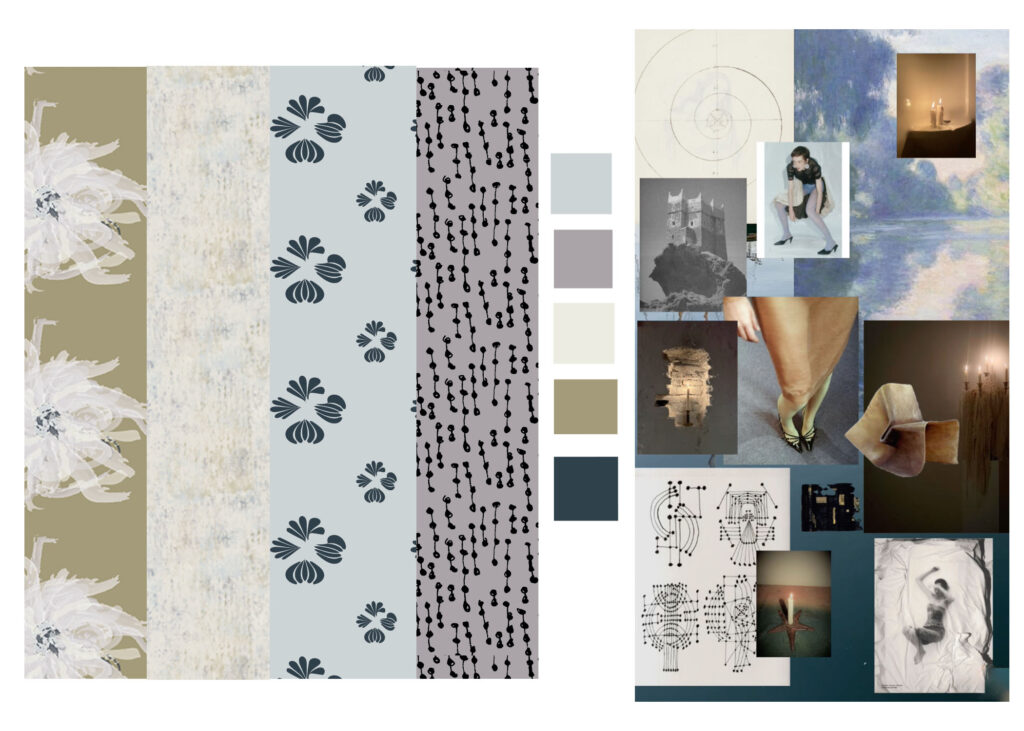
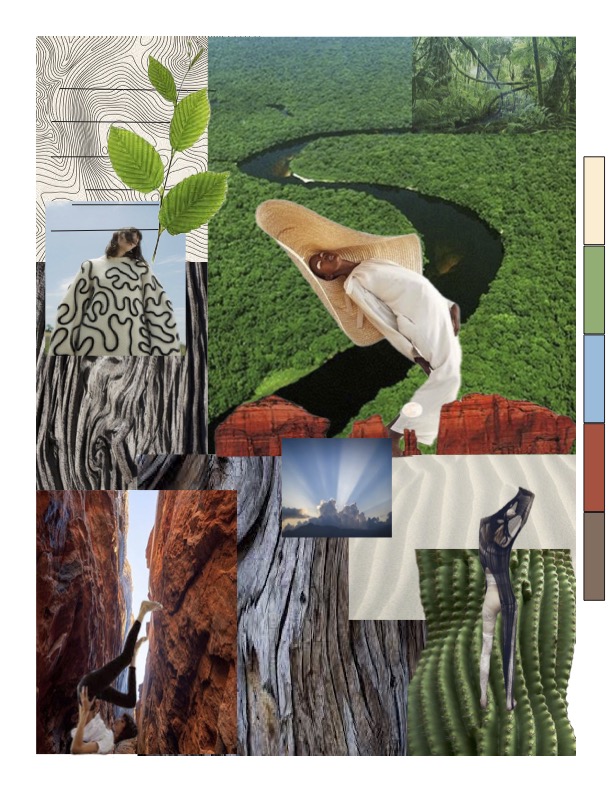
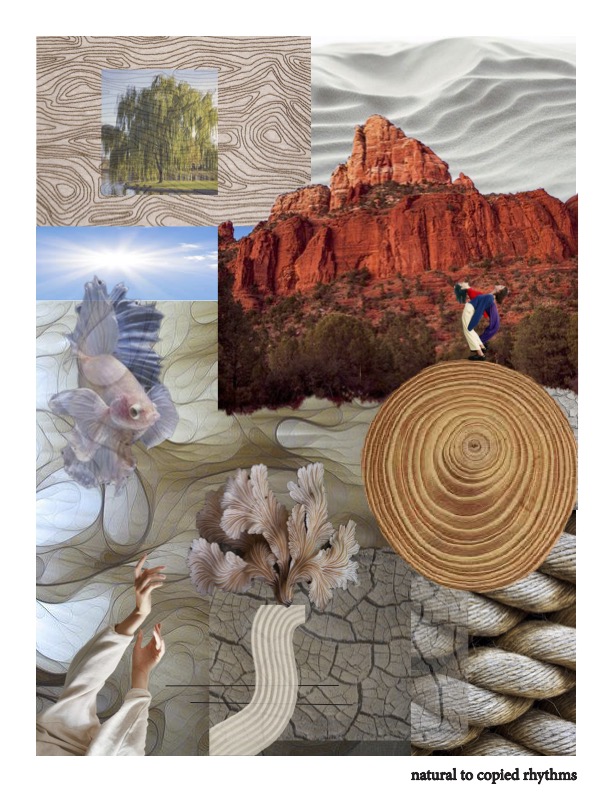
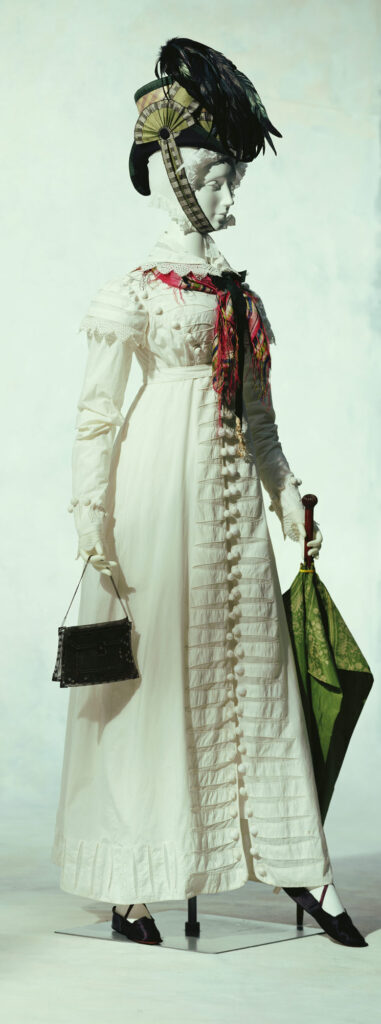
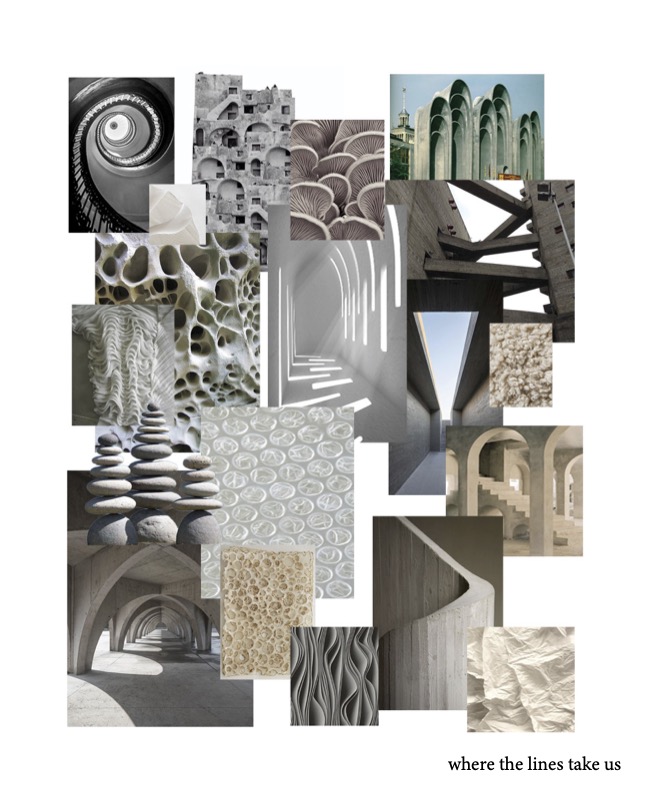
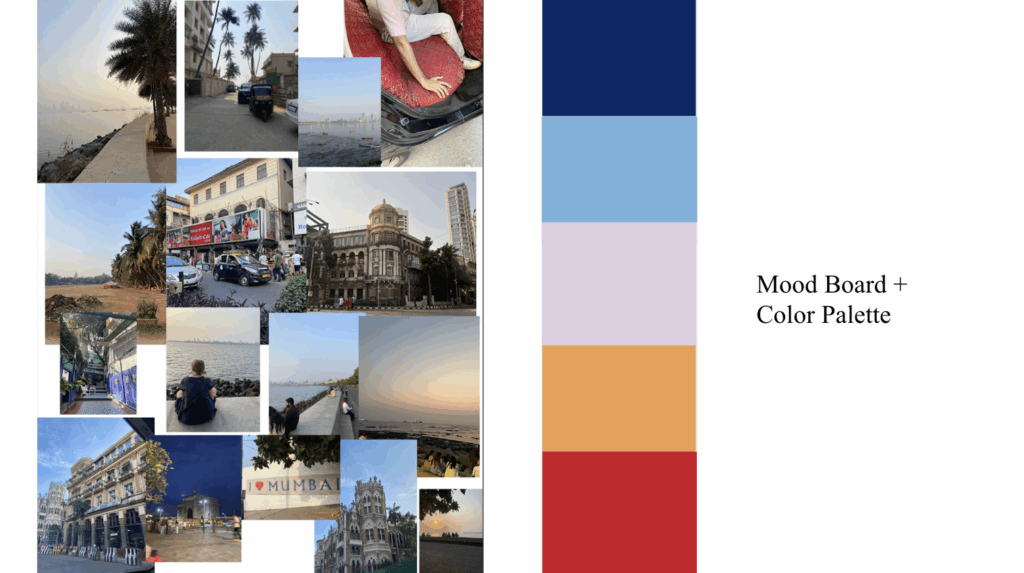
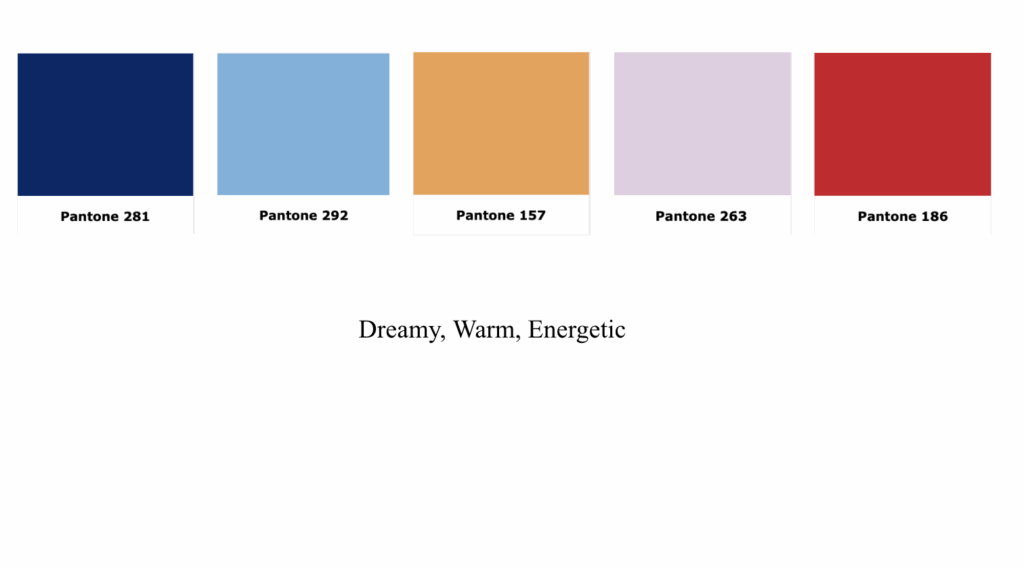
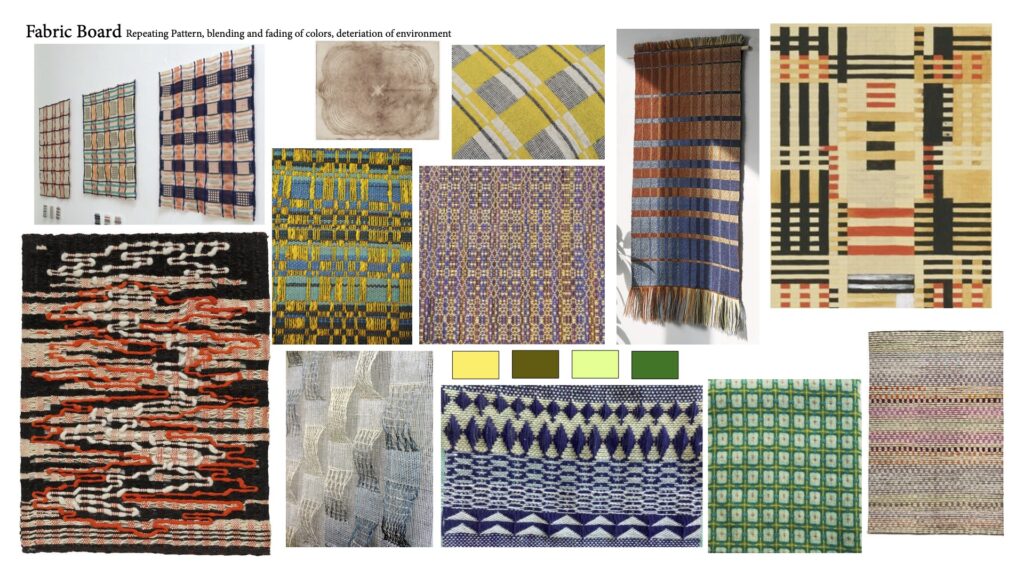
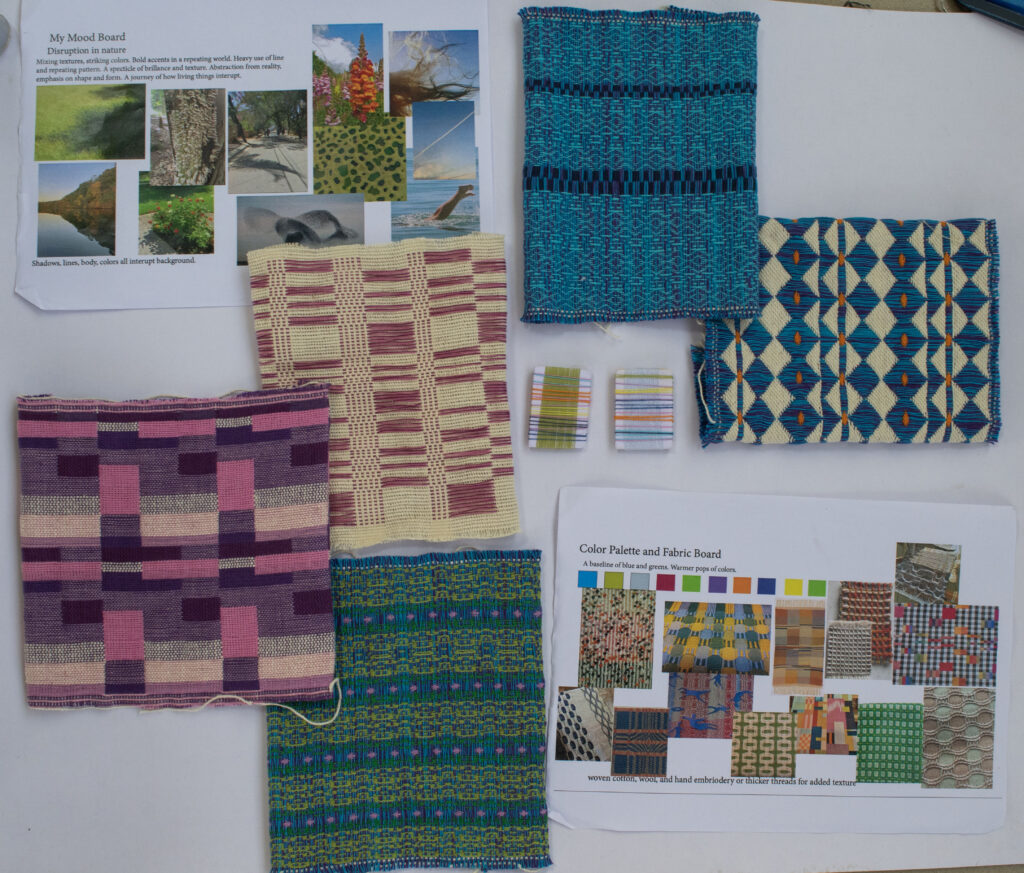
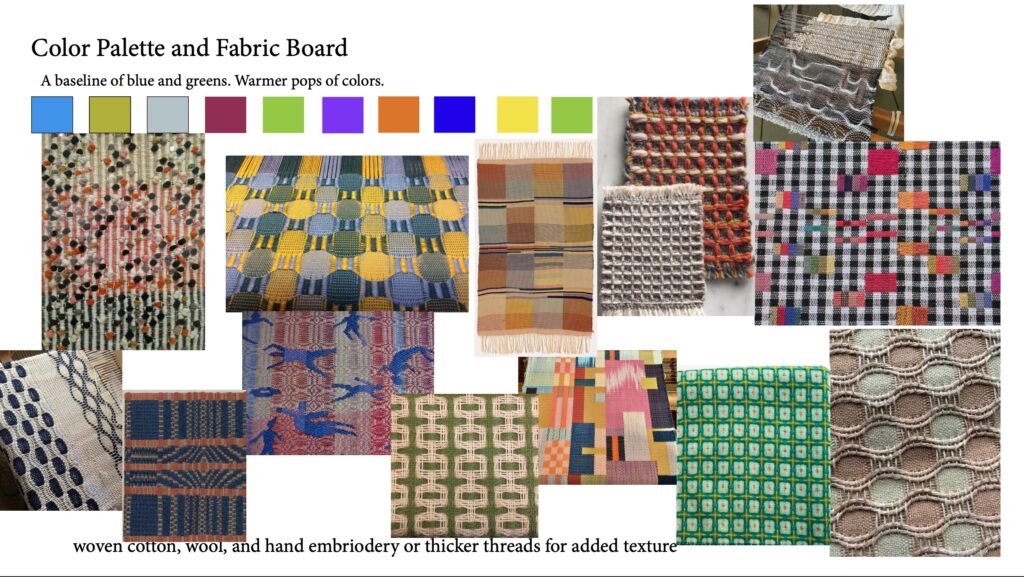
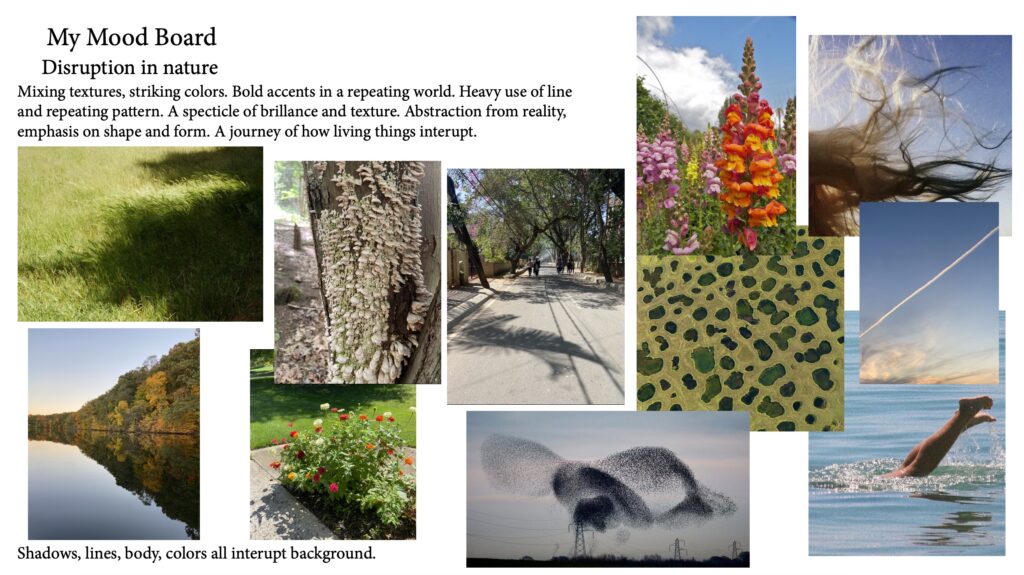
My favorite way to combat consumerism is through mood boards. When I was on the Zara website I let myself go free and add everything I ever wanted in my cart. After adding 35 items, I sat down and really looked at the items. 99% of the items I added, no matter how cool the styled photos were, were composed of over 70% polyester. Now don’t get me wrong I know synthetic fibers have some benefit to the clothing industry – holds structure, longevity, and cheaper production. But to have almost all the items be made from plastic (not even recycled polyester) and be over $50 an item, I knew I was getting scammed. Now you may say, Linsey what did you expect? Zara is a notorious fast fashion website that produces large quantity of clothing at cheap and shady costs. But the material and makeup of an item is so important when looking for long term wear. Aritzia, Anthropology, and Abercrombie are all hot brands with a hefty price tag, but many of their clothes are made from majority plastic. It doesn’t make me feel good or luxurious spending hundreds of dollars for cheap quality. Anyways I digress. I screen shot all the items I would still hypethically purchase and make a mood board like above. I did this on google slides as I lost access to Adobe products since graduating college. By visually laying out everything I want, I can begin to get an eye for what Im drawn to – textures, colors, silhouettes. Having these visuals in front of you help develop your eye and could narrow down your shopping list. Cross referencing your visuals with slowy learning what cuts and shapes flatter your body the most, I think is the perfect recipe for personal style. The stronger anchor you have in yourself, the less you will be swayed by the newest Dairy boy drop or Gap Sandy Liang collaborations. Everytime you want to buy something print it out put it on your wall, really let it sit in front of your face. Maybe it is something you really want and you think would add to your life, having it printed on the wall waiting as a kind of wish list and sitting there makes purchasing it all that much sweater. Resorting back to your kid self of wanting something so bad and having to save up and wait for it made the experience so much more enjoyable.
TRACKING TRENDS
Another way to combat the slippery slope of consumerism is by tracking a trend. This takes a little investigative journalism, but it can really hit home to your mind how fast and unimportant these trends come and go. As soon as you see something new pop up in the fashion world – like bows, barrel jeans, and whatever new water bottle is hot, CLOCK IT! Write down when you first saw it, no matter how tempting it is to participate, wait, wait, wait. 3 months to a year, the trends completely change leaving more items to discard to the landfill. And maybe you did participate and bought the item, no worries, the goal now is to use it for as long as possible. Remember reduce first, if not reuse. Watching and tracking trends really open your eyes to how fast things are moving around you. For me, it also helps quiet that voice in my head that I need to buy buy buy without purpose or use.
MAKING YOUR OWN CLOTHES
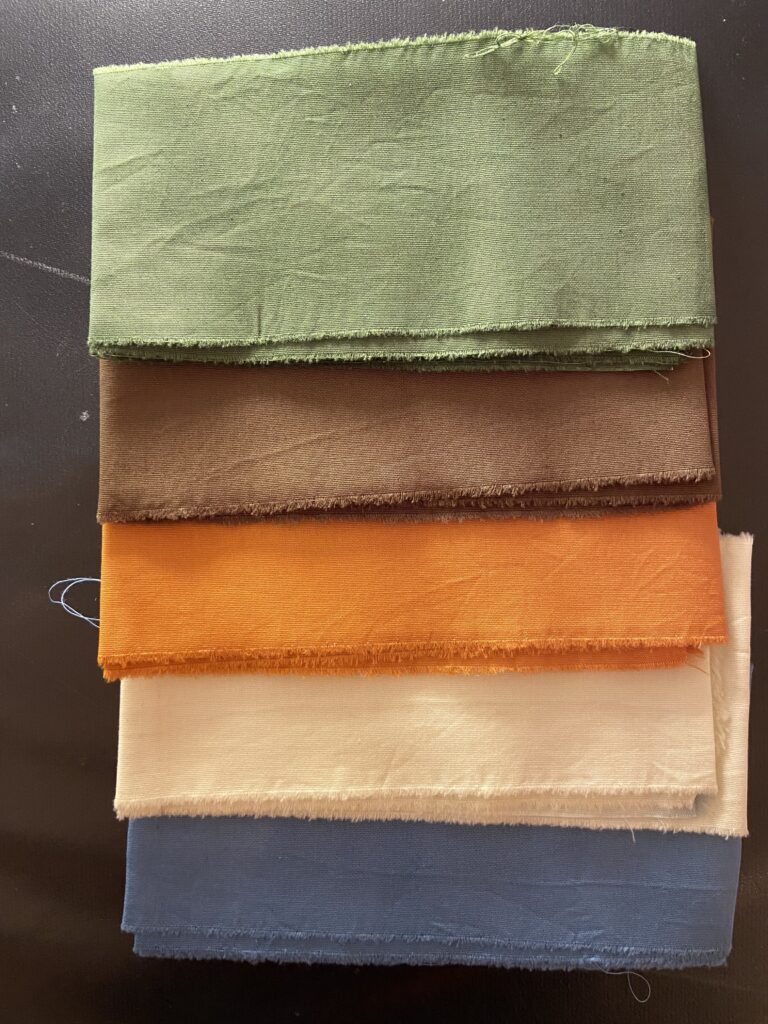
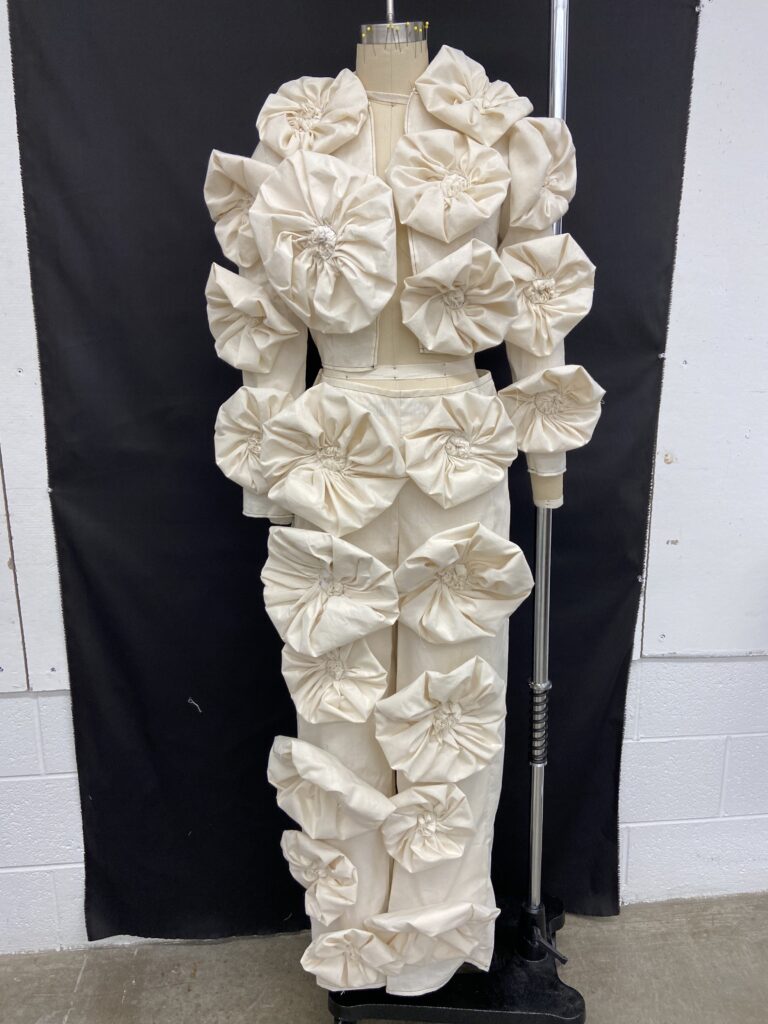
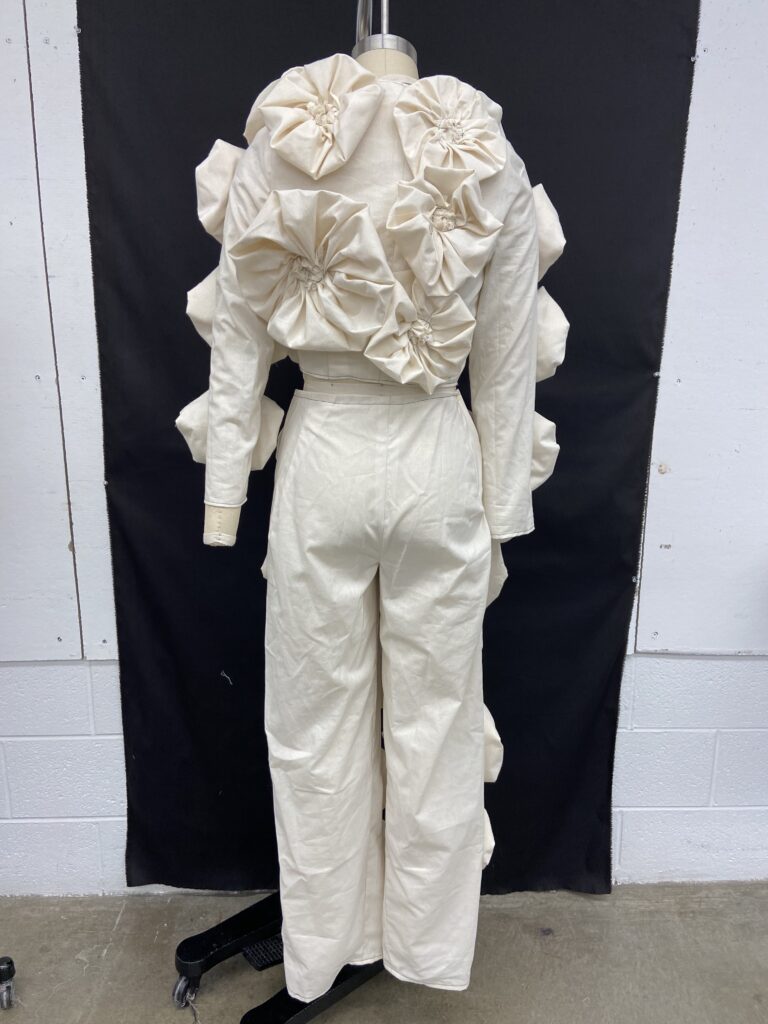
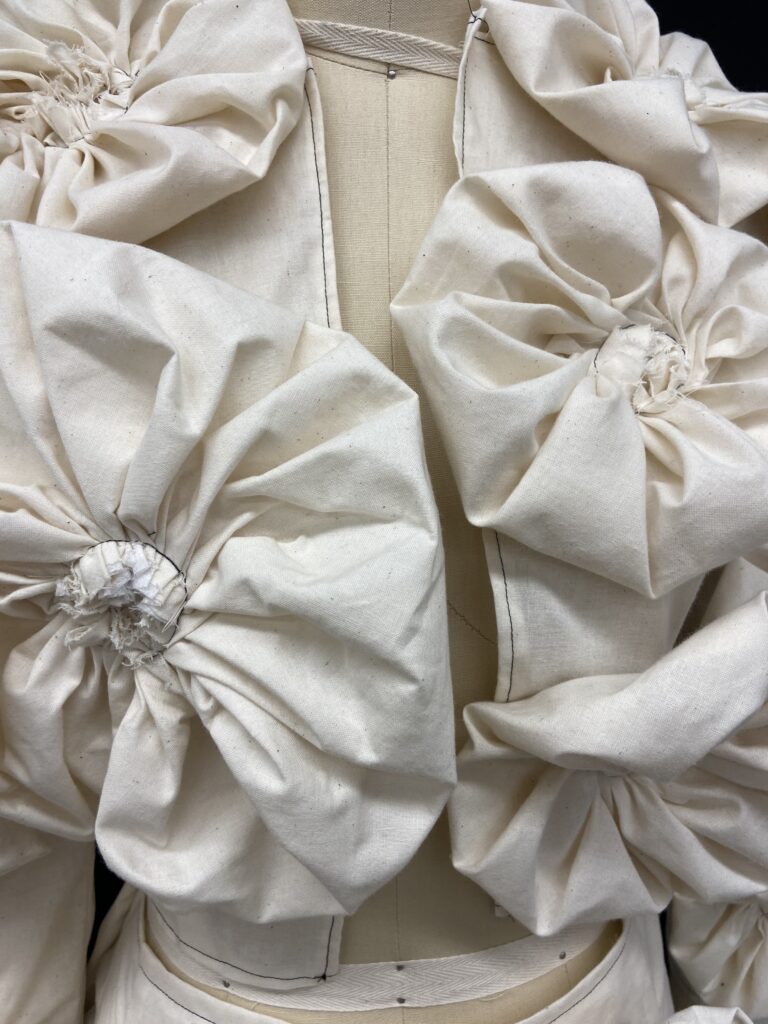
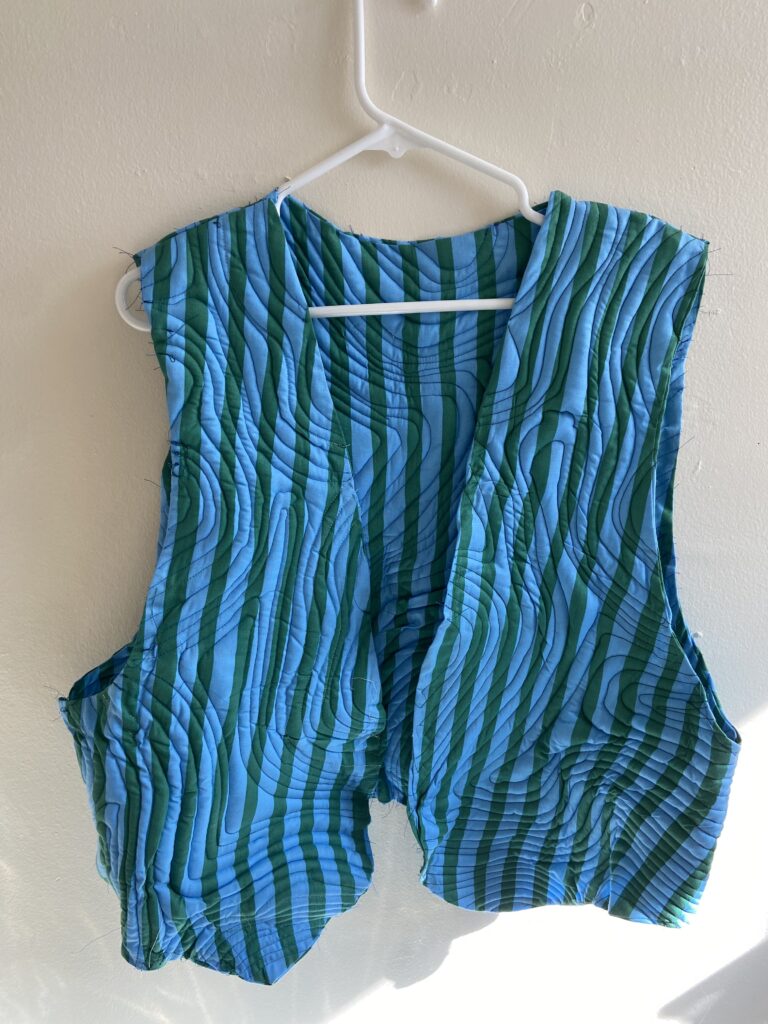
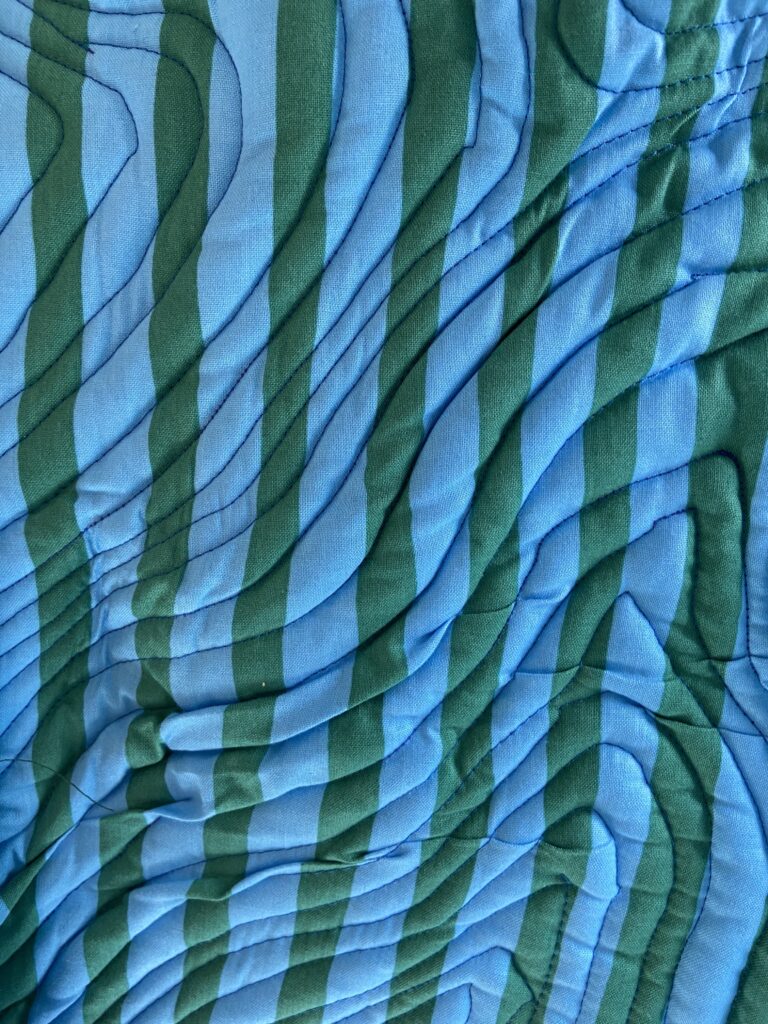
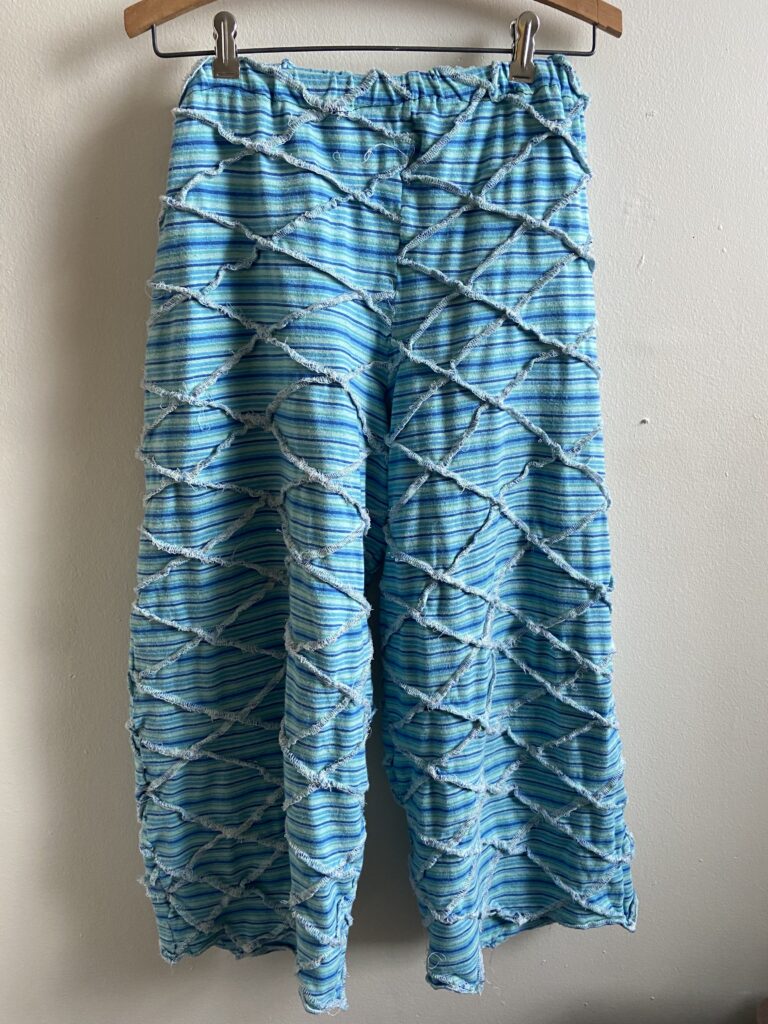
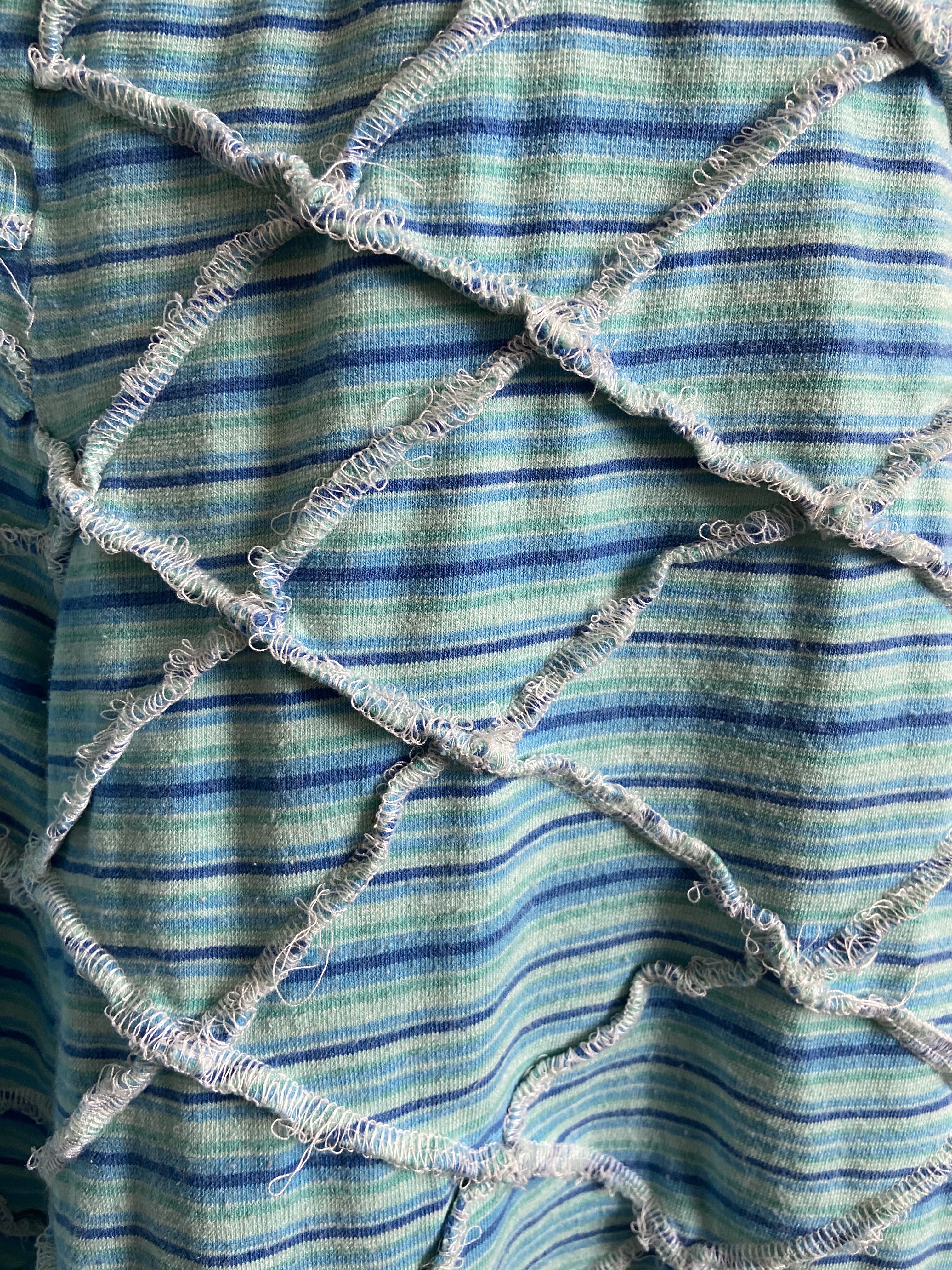
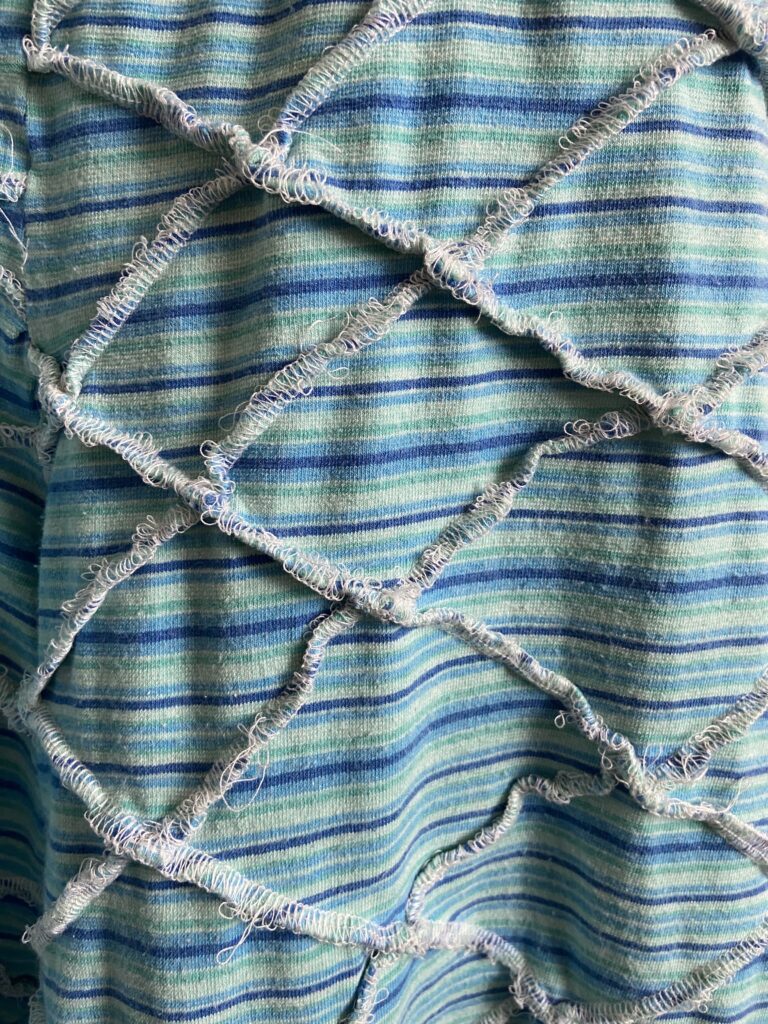
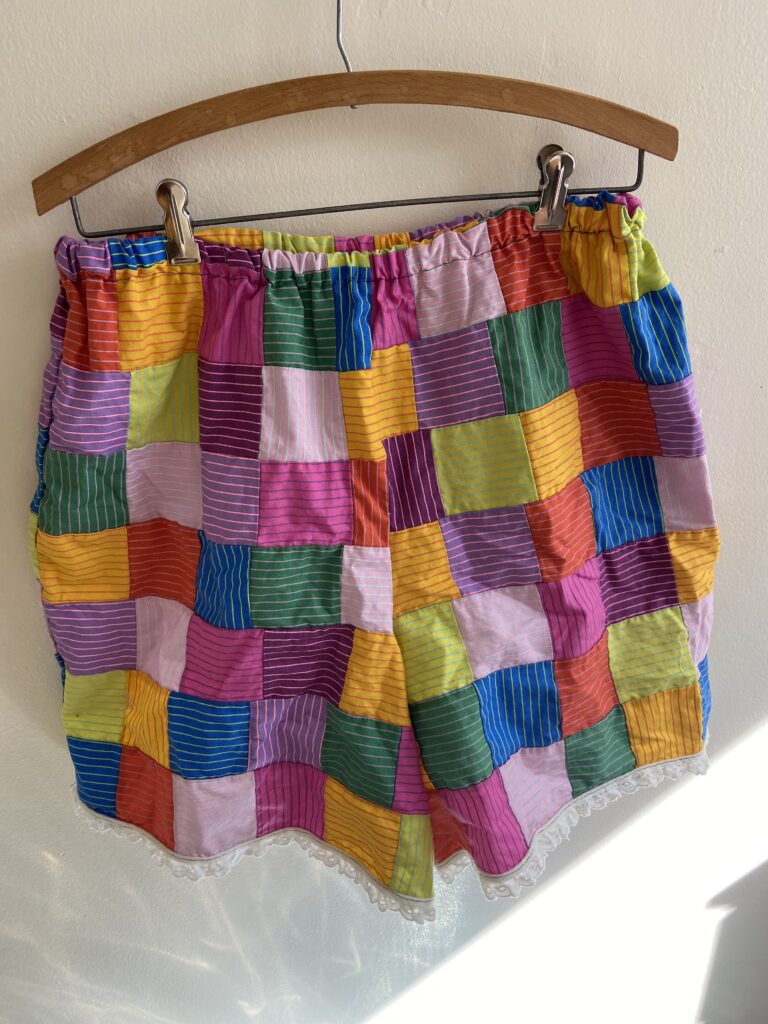
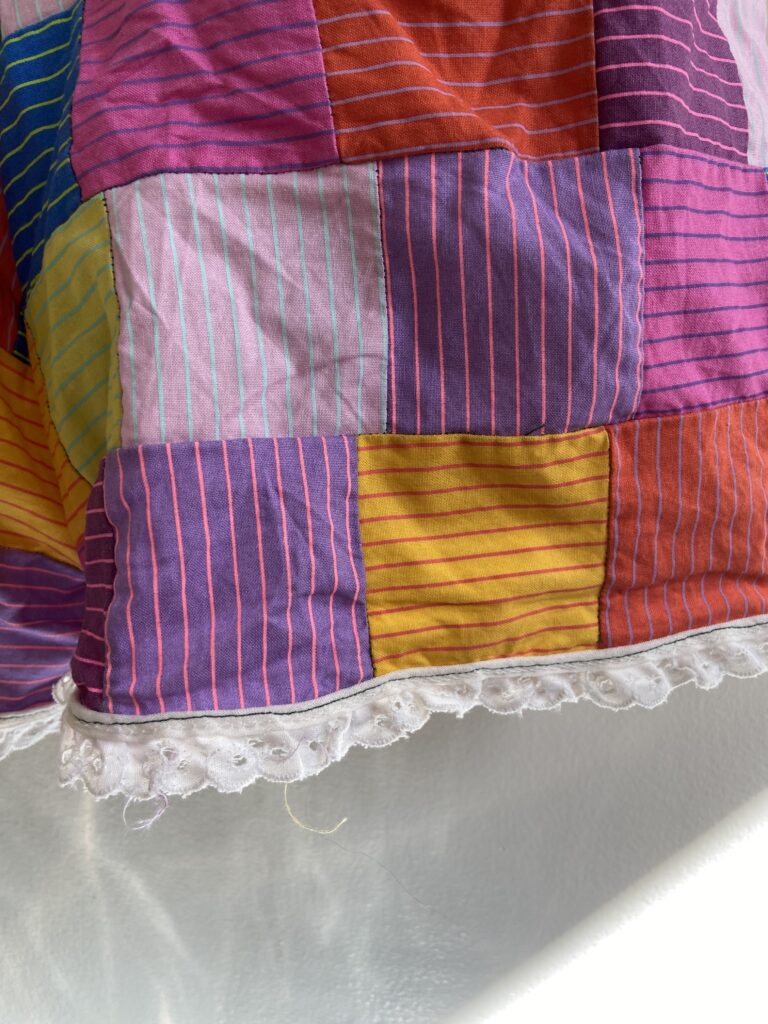
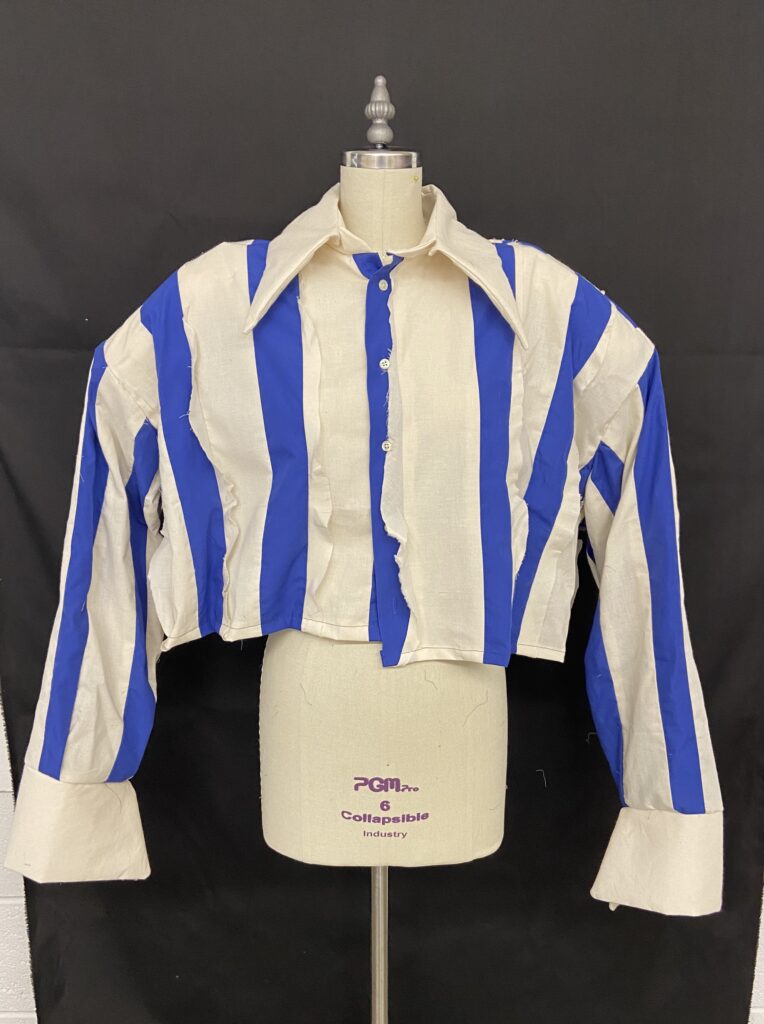
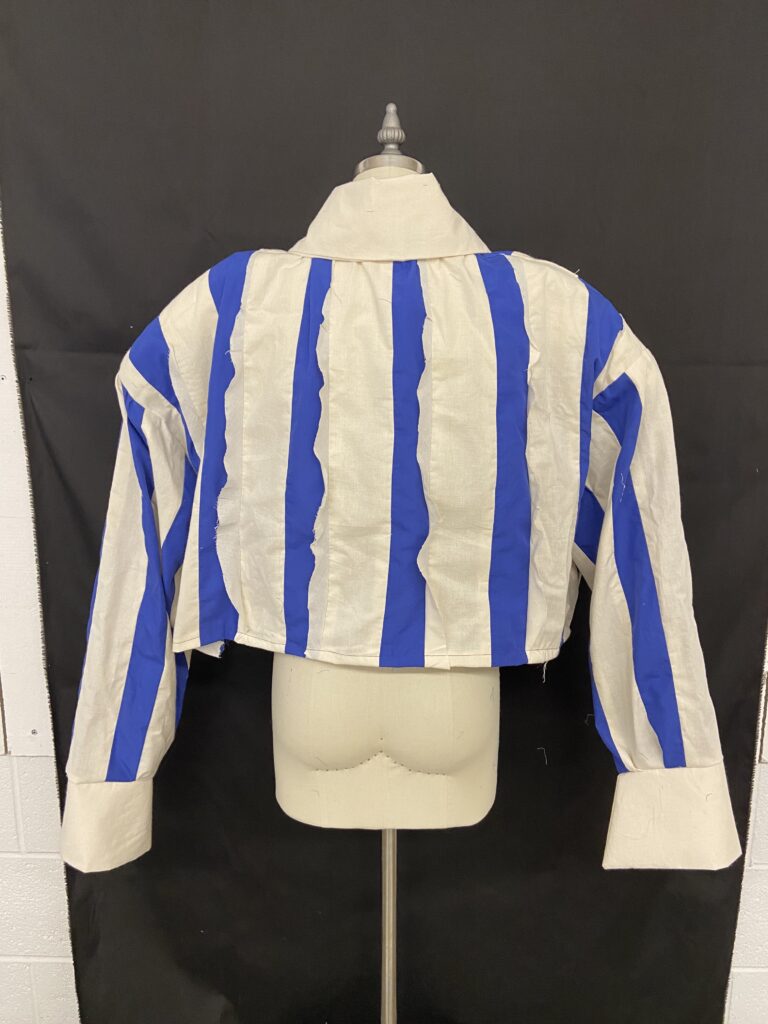
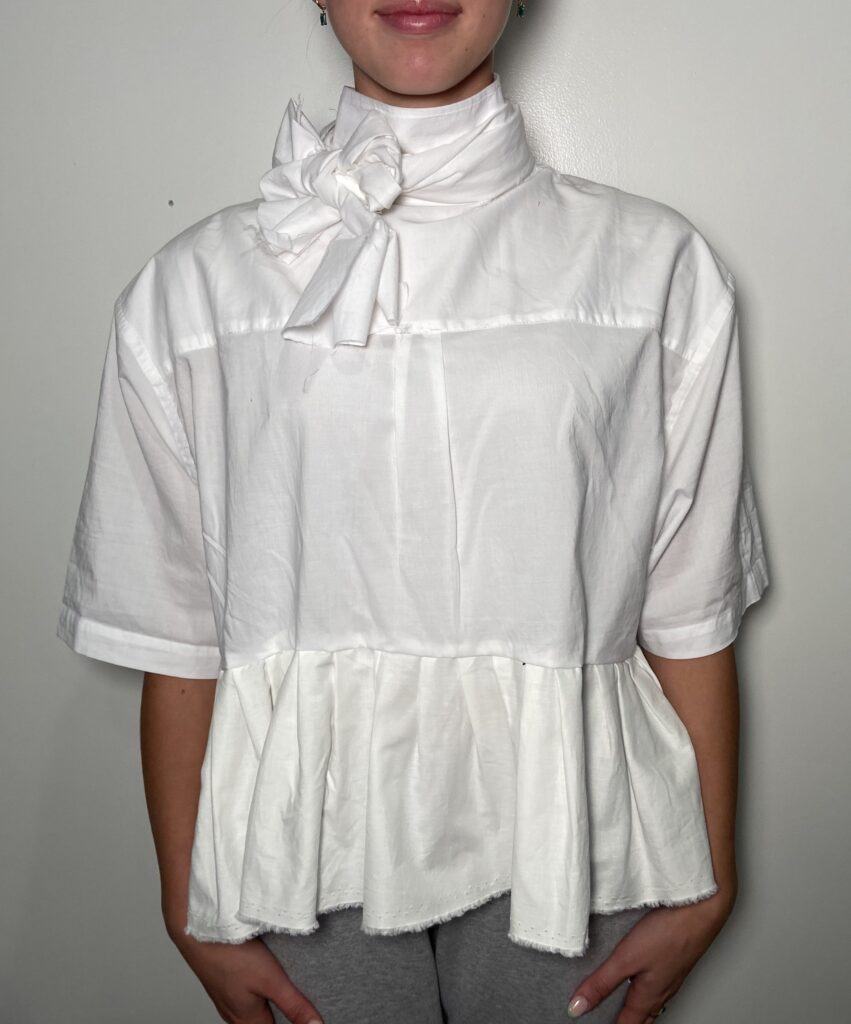
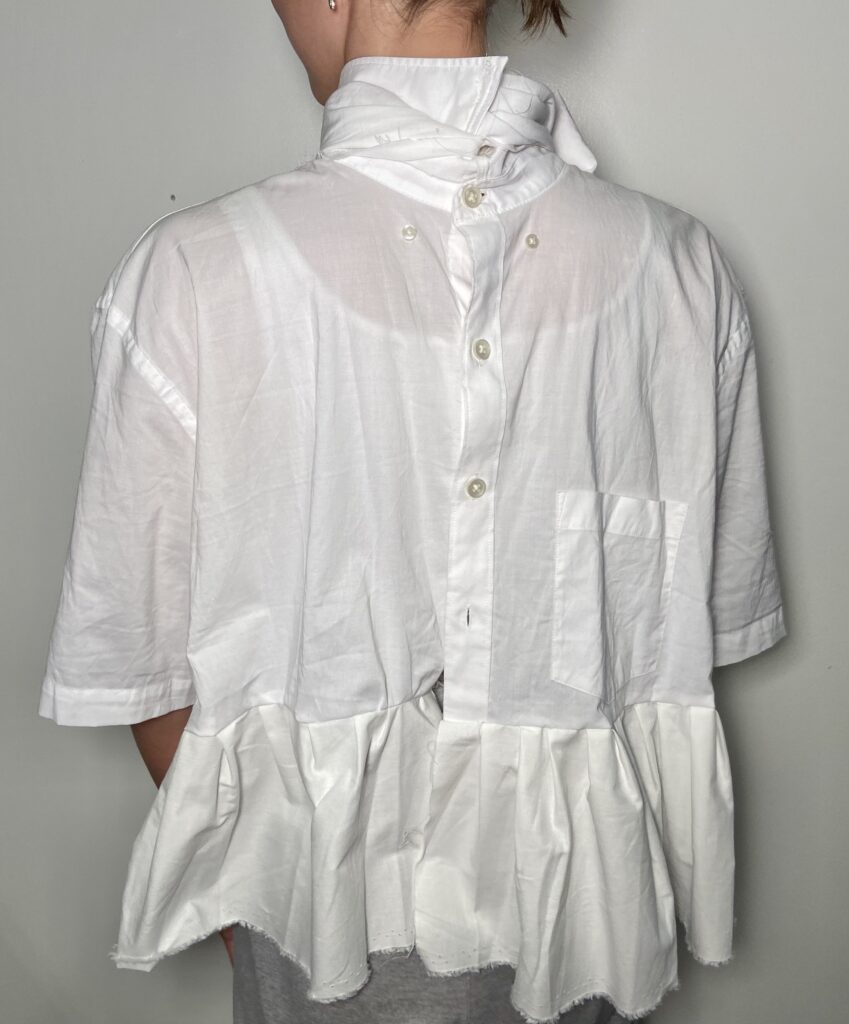
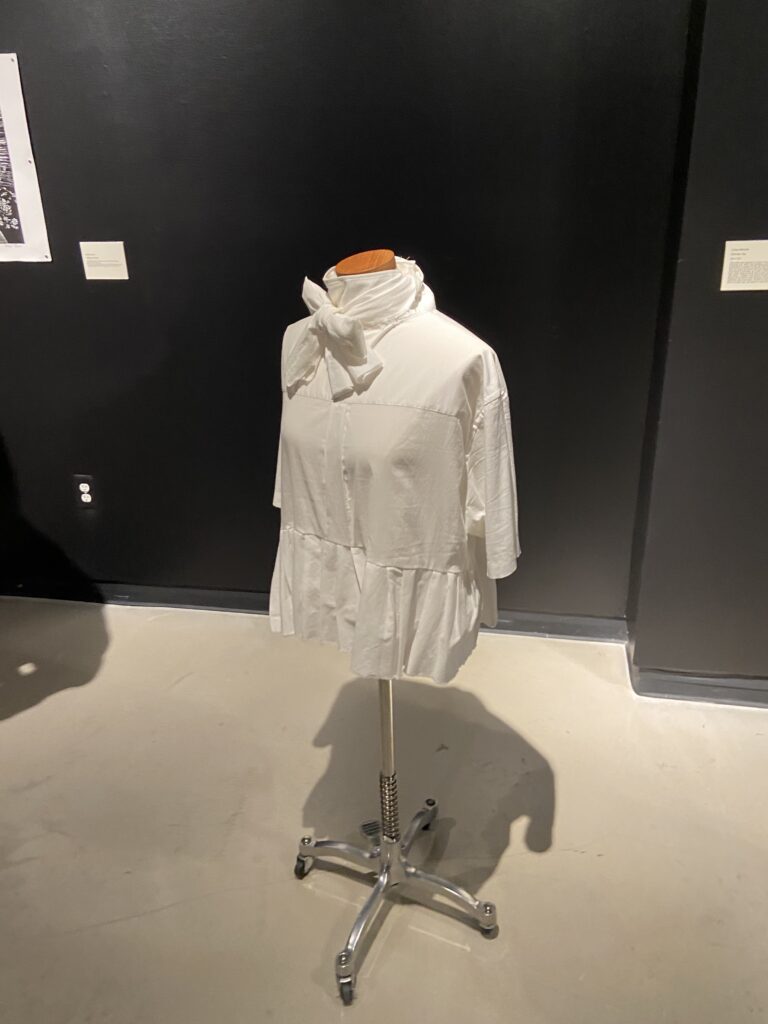
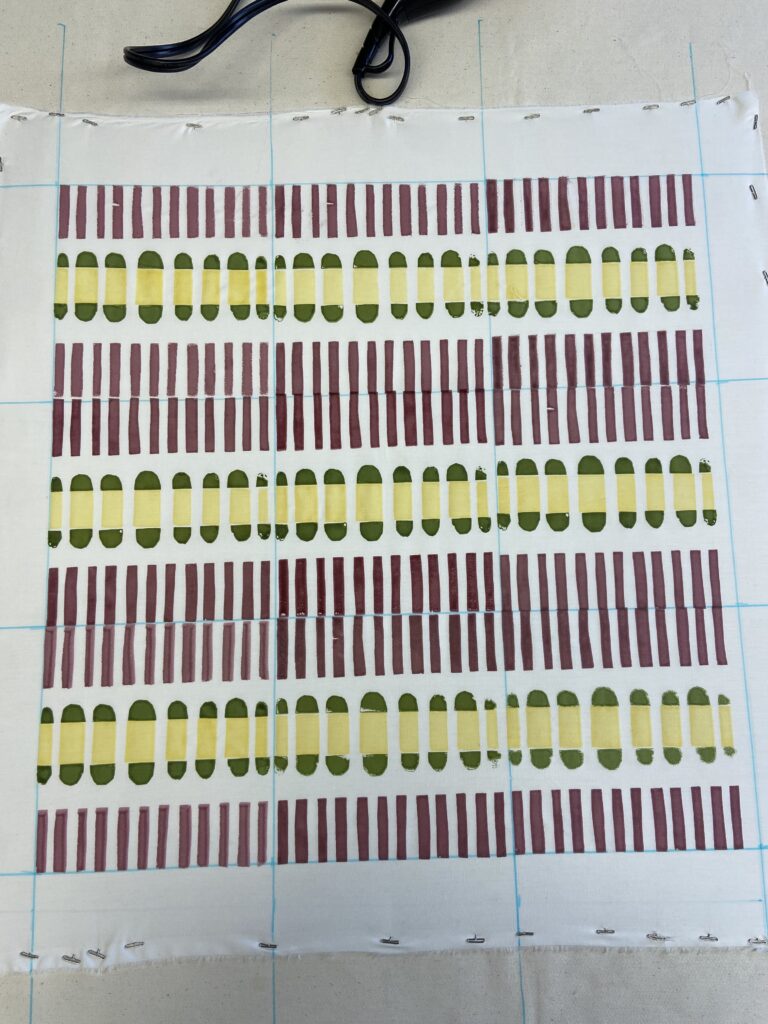
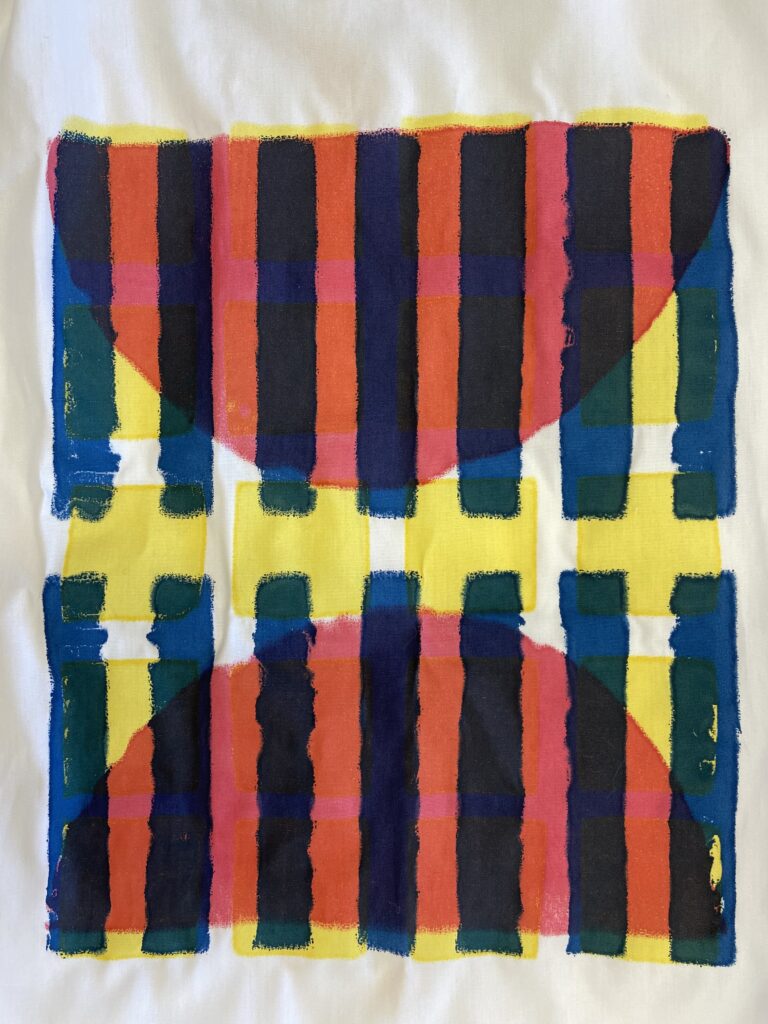
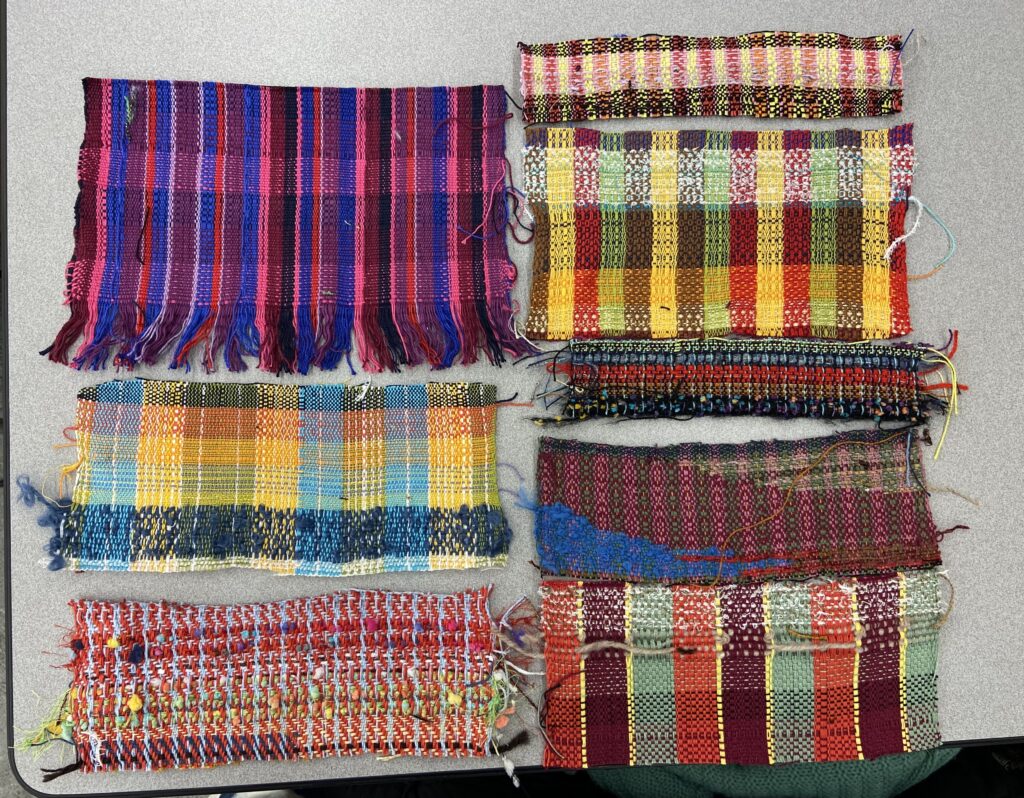
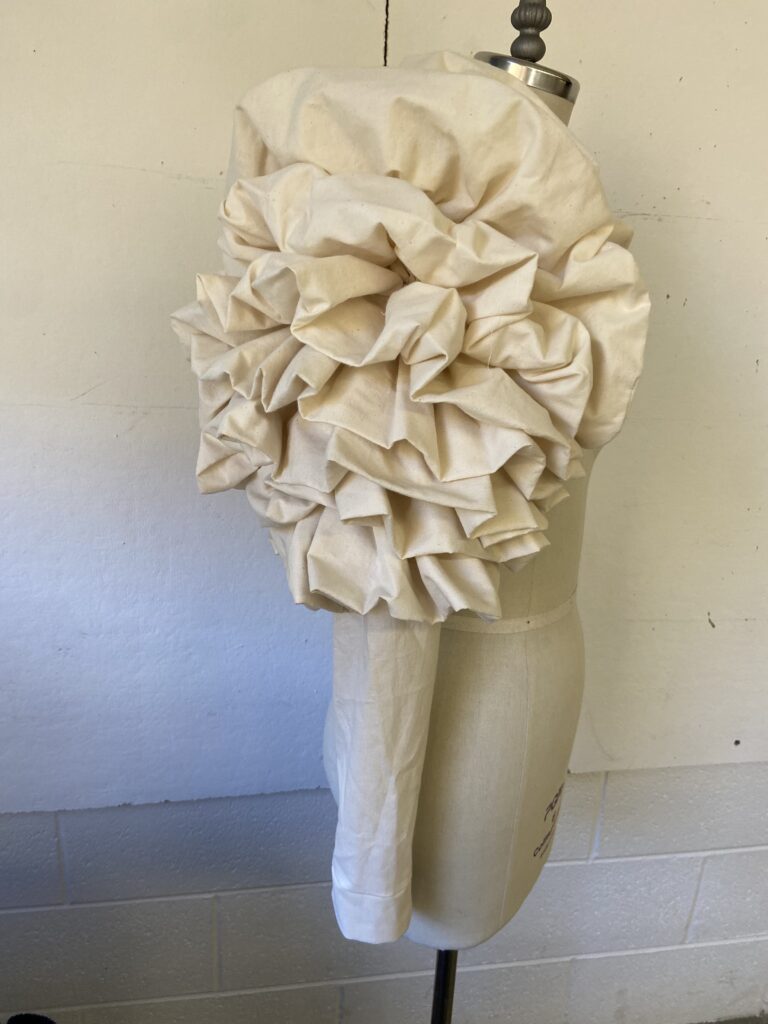
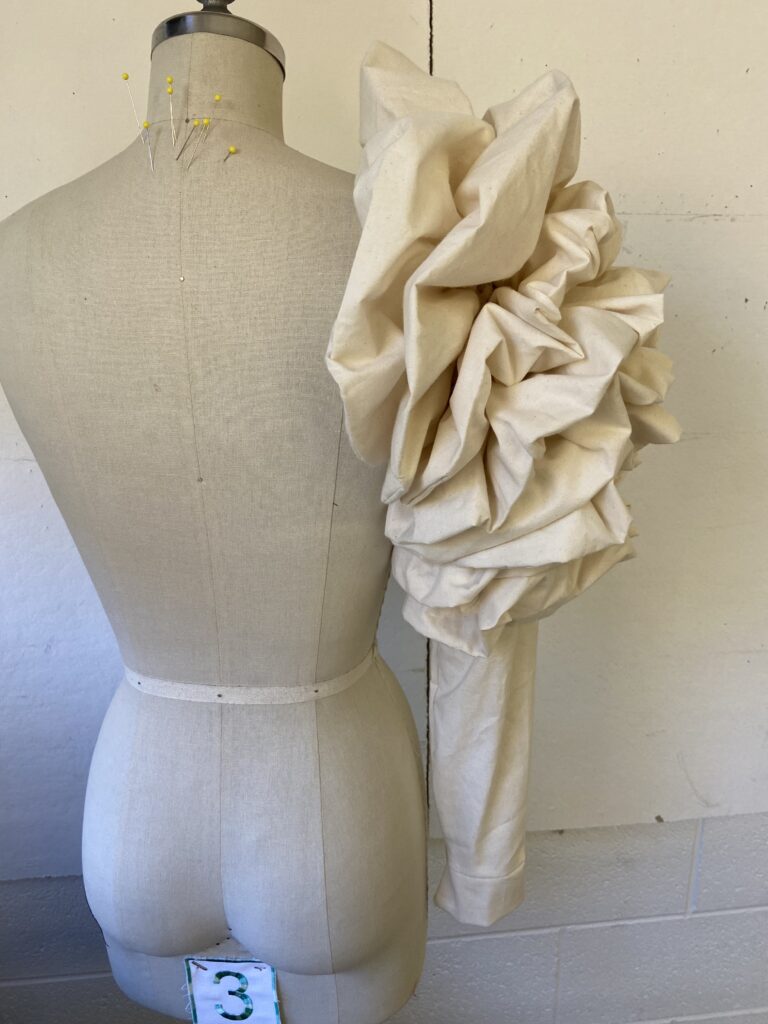
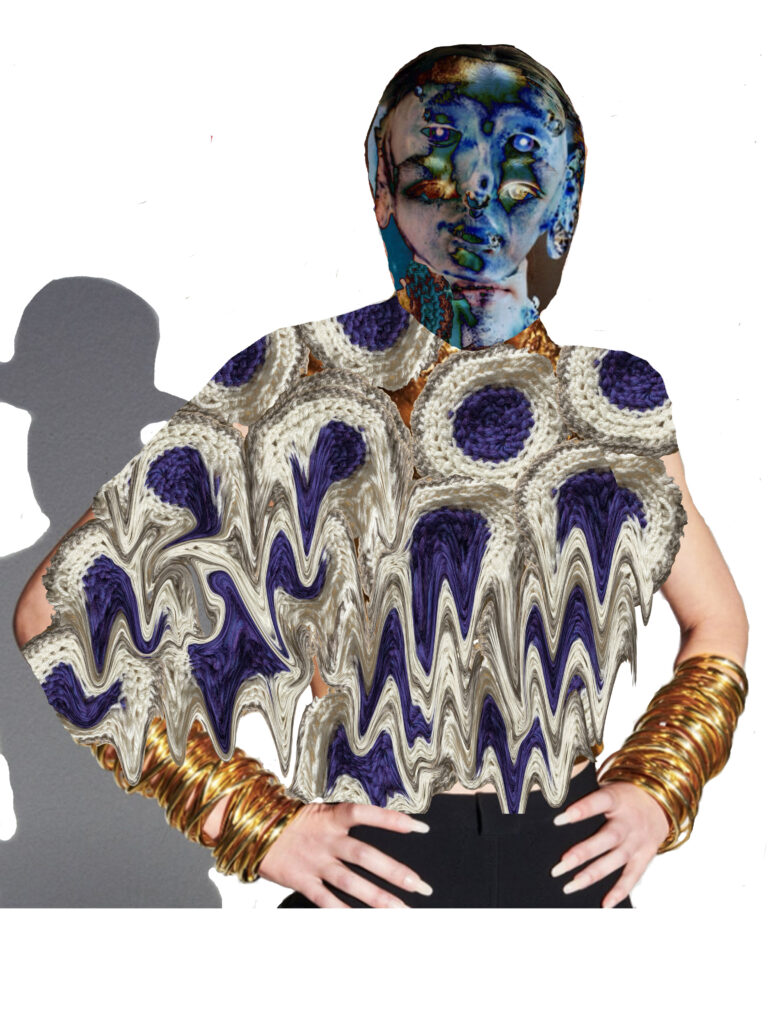
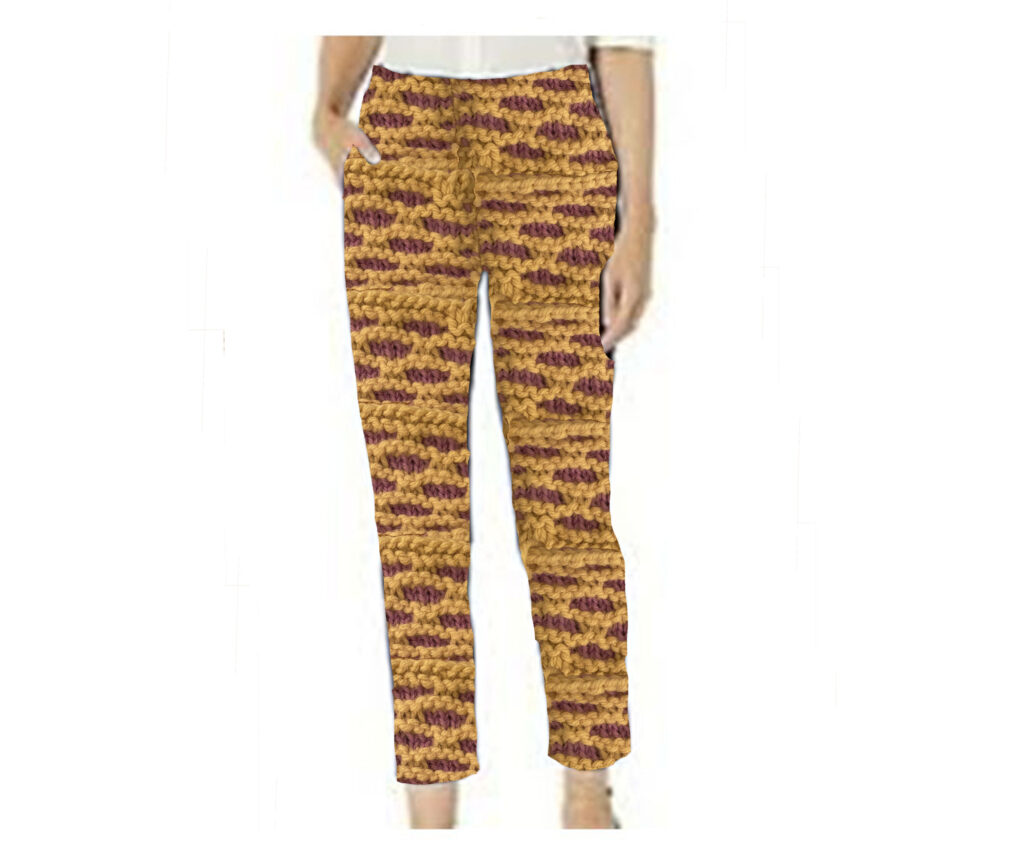
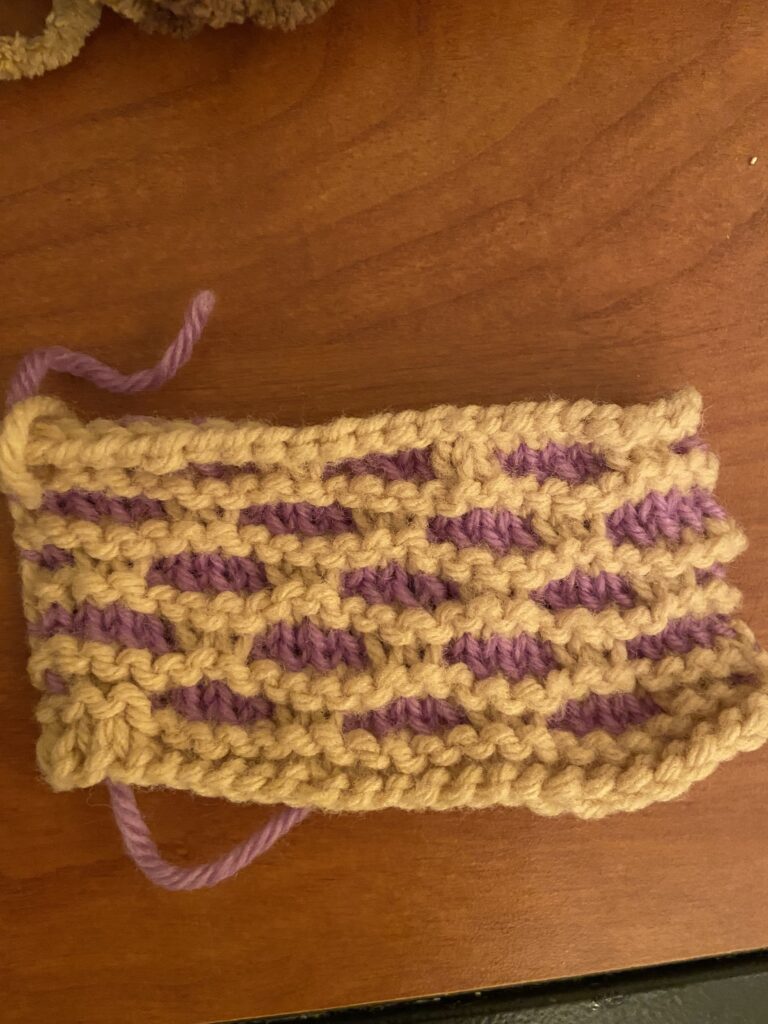
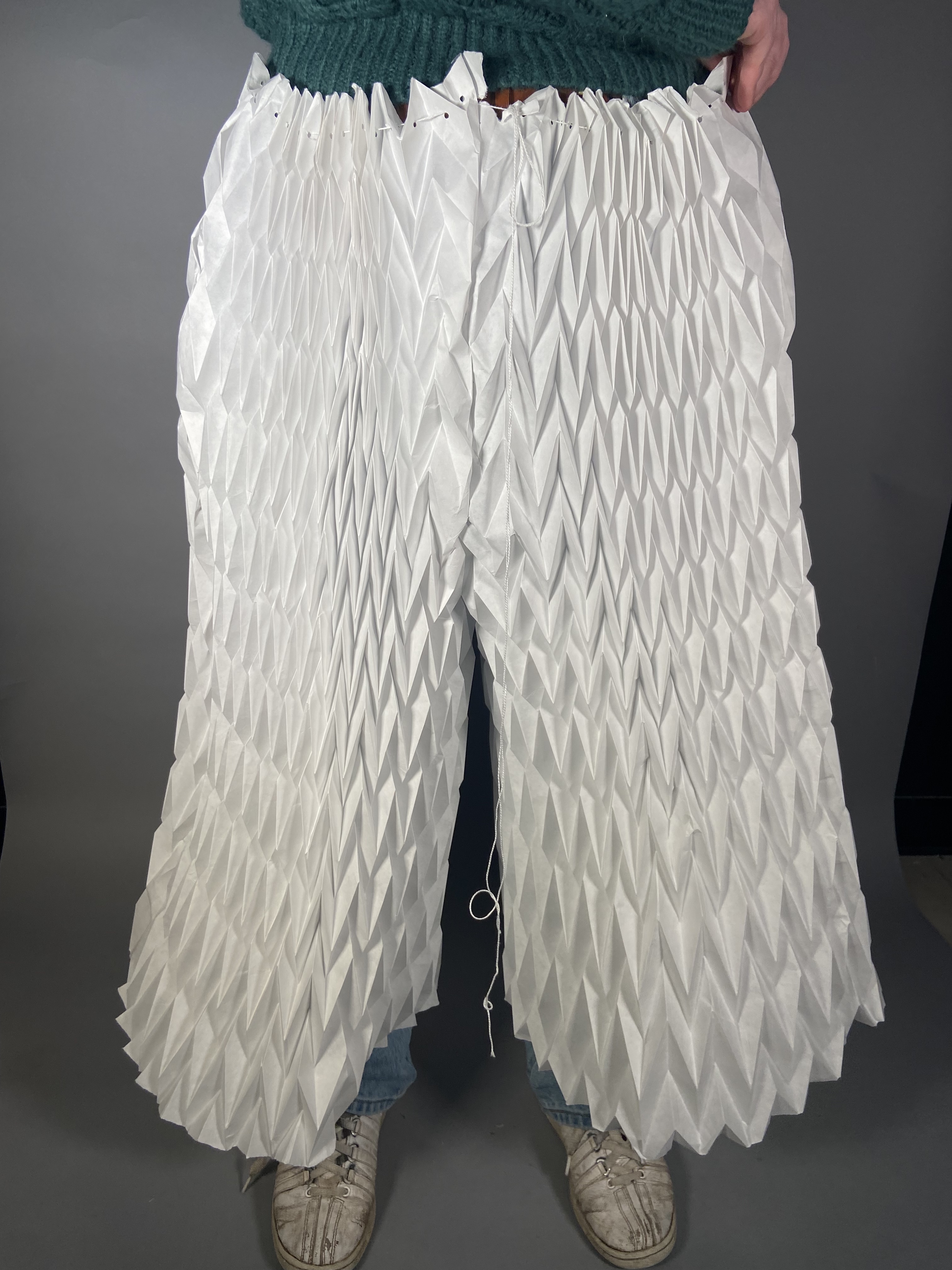
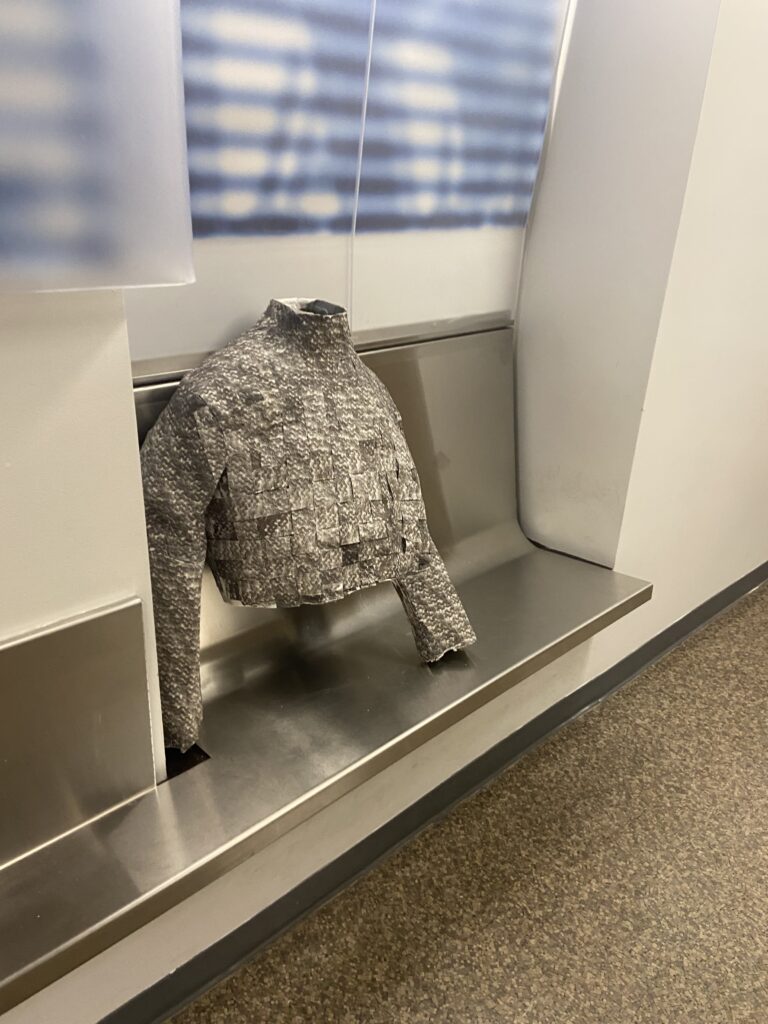
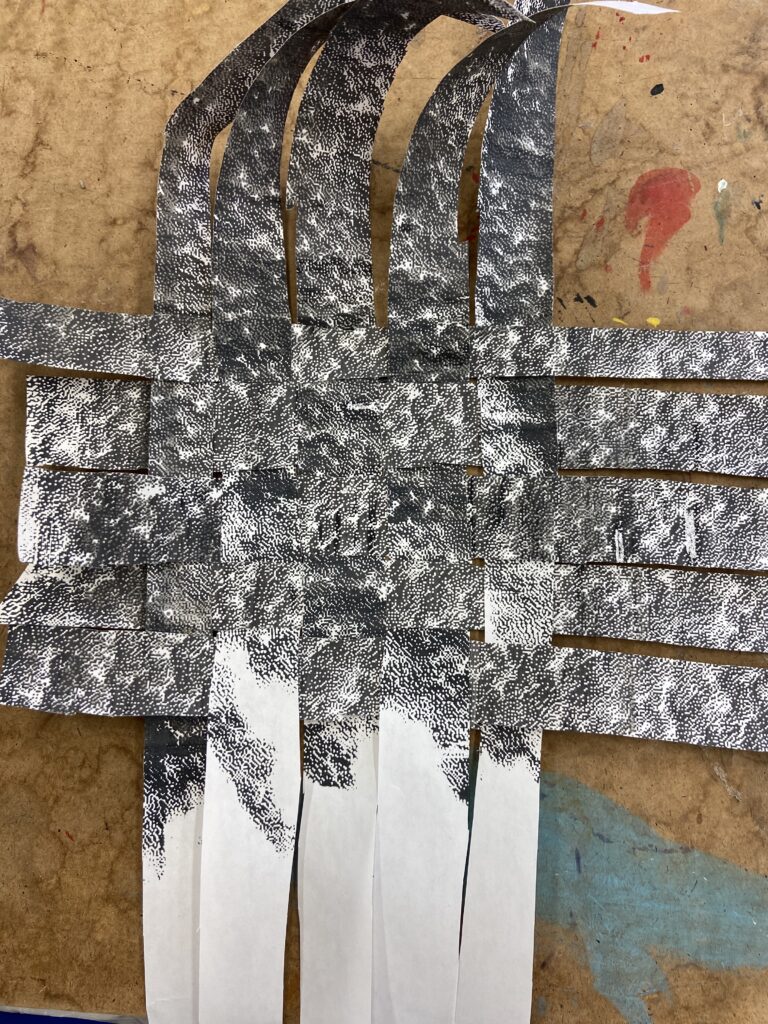
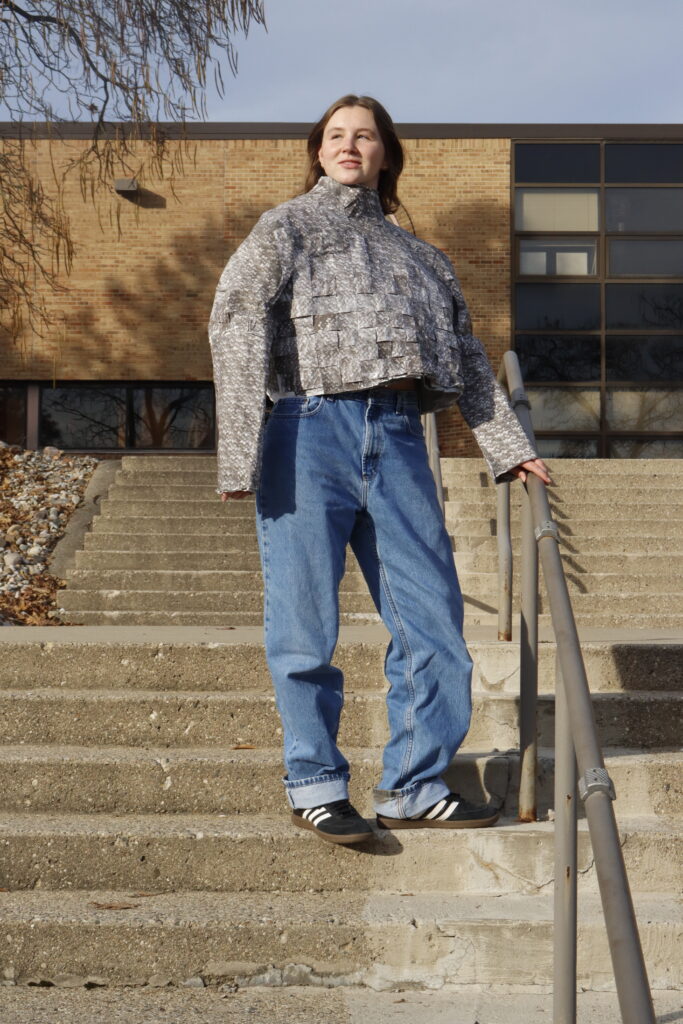
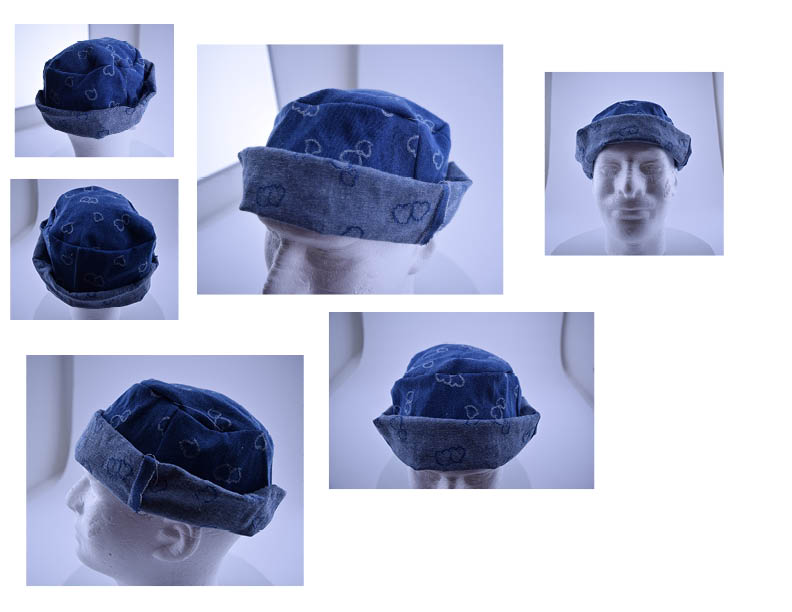
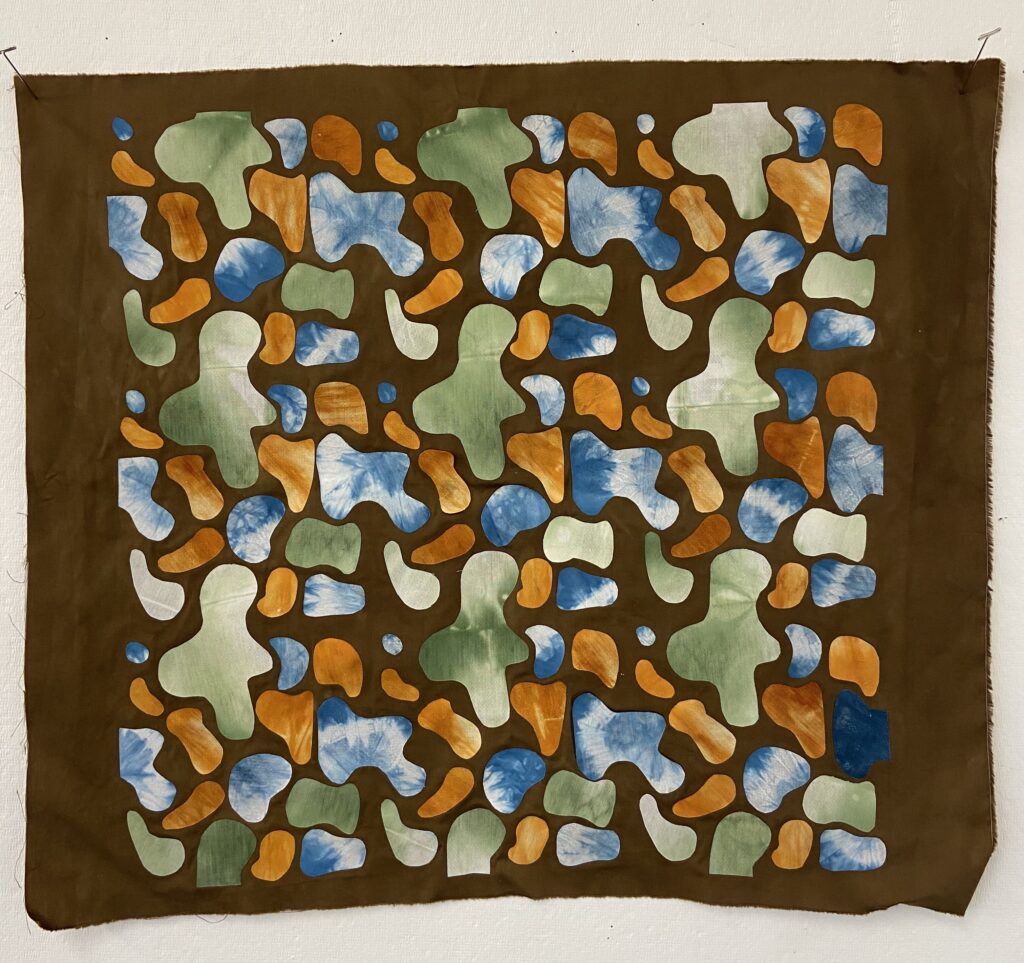
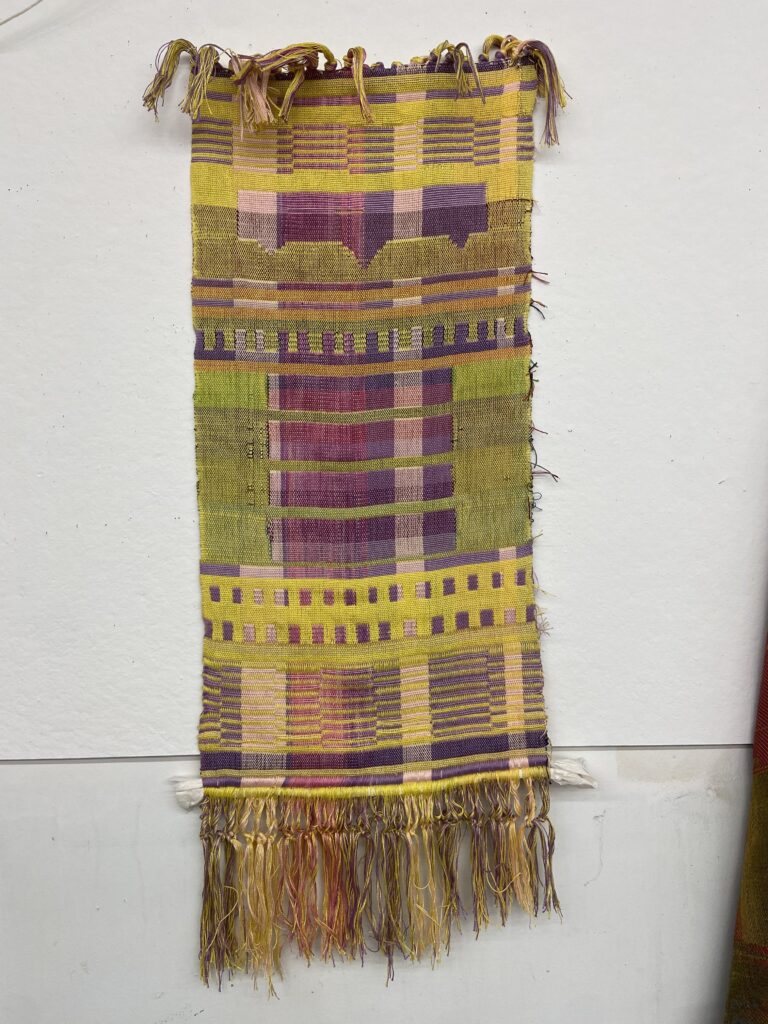
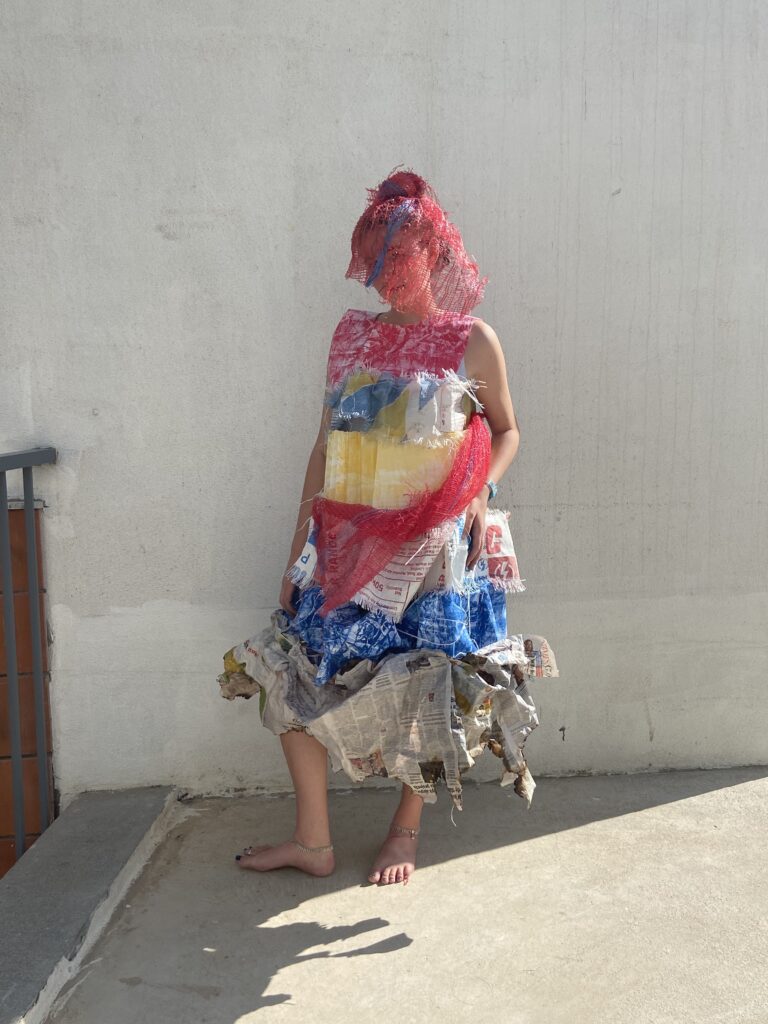
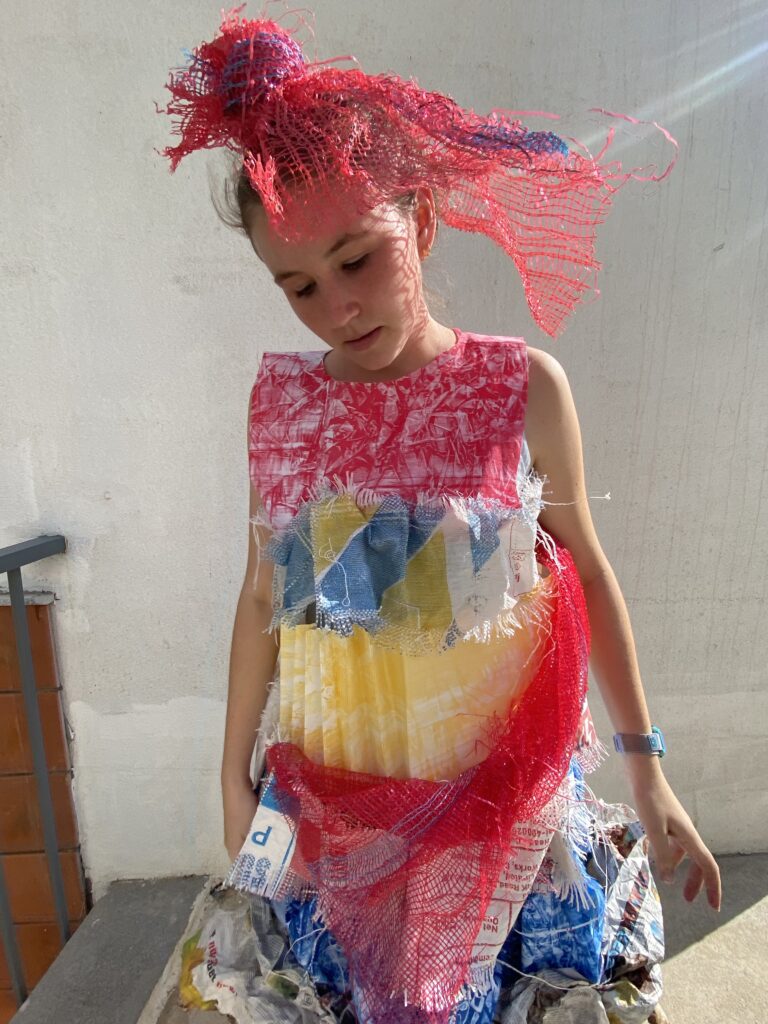
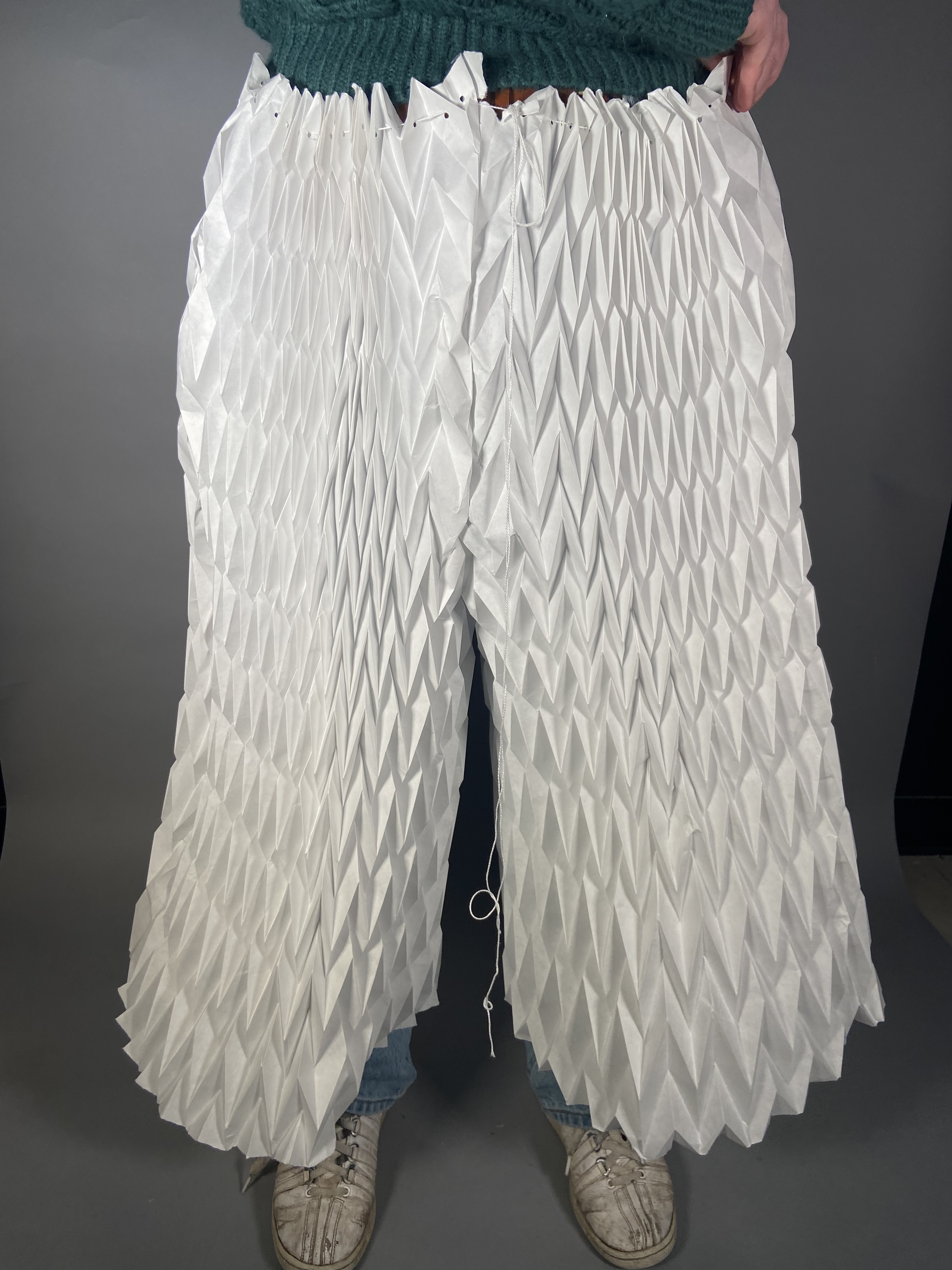
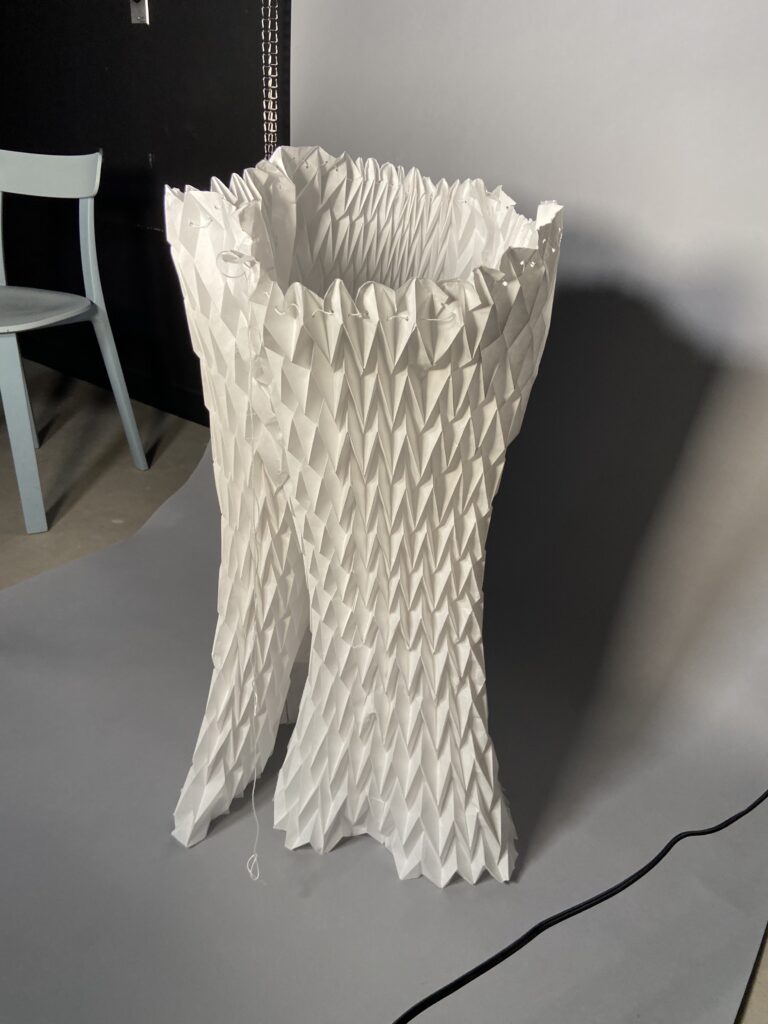
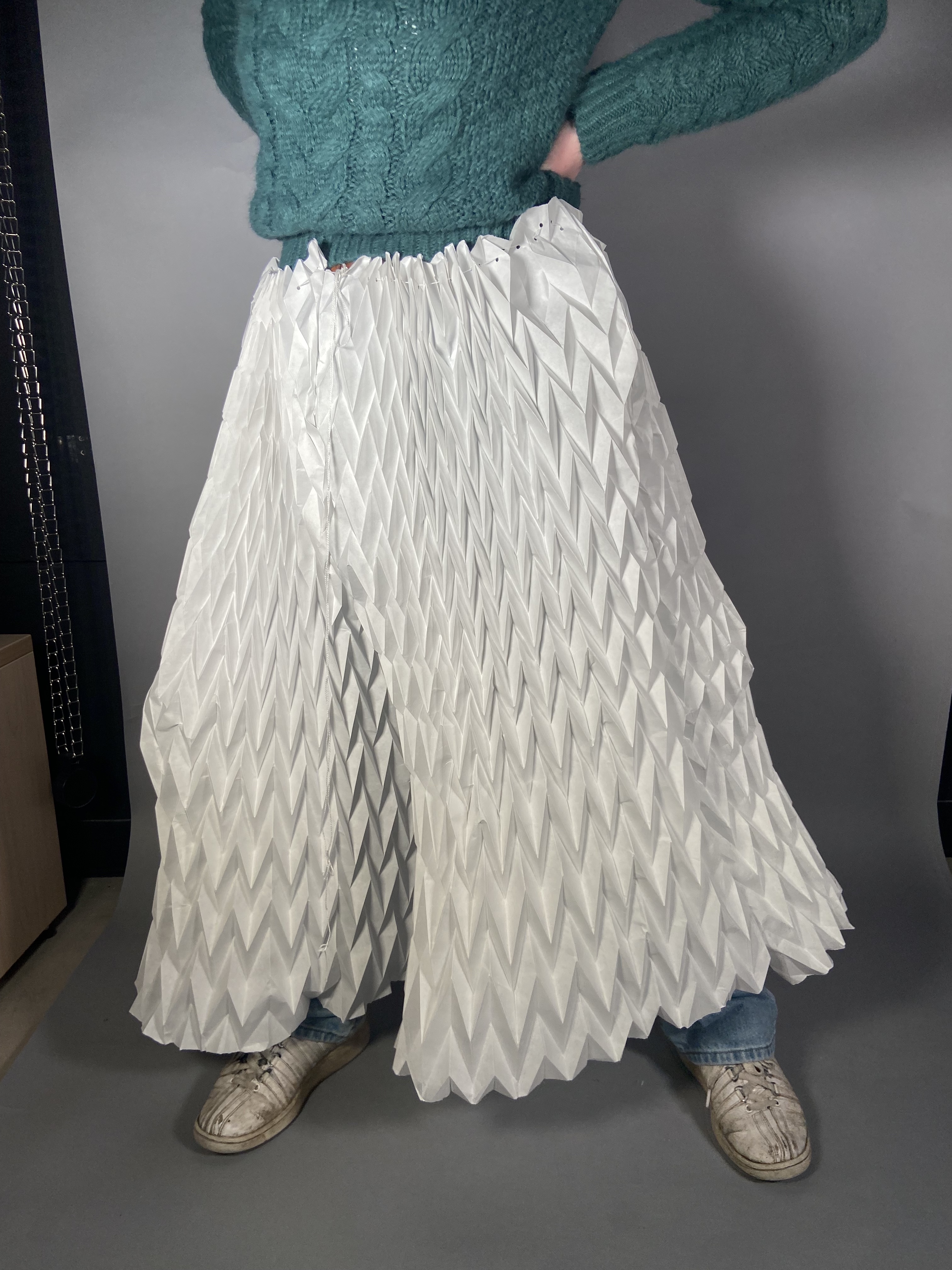
This may not be for everyone but I try to make what I want – weather it turns out good or not, It allows me to wrestle with the item and see if its really flattering on me. Maybe its an utter fail, I still sat with the item for weeks and got to flex my creative muscle. I also used to thrift items and try to flip them to make it something I would wear. Having a hand in producing clothes helps you determine where you want to spend your money. Suit and tailoring are complex and something I don’t love to make myself, I know that I am willing to spend money on nice coat or jacket. But simple tops I will always try to make myself. Finding that balance it key.
The lesson of this all is to go slow. Everything is pushed on us to hurry up, speed up, figure out your style now, but in reality it takes years to figure out how you like to dress. It’s okay to wear a bad outfit, a pieces of clothing that doesn’t fit right, its all pointing you closer to your end goal. We are all a cog in the machine of the fashion industry, but rooting yourself in your personal style, helps bring clarity to the overwhelming messaging of consumption.



Leave a Reply